
Smart loan decisions: a practical buyer’s guide
A clear, reader-focused comparison of loan options, risks, and tips for fintech users; includes practical steps and a note on Décotidien site for informed finan

How to evaluate loans without getting trapped in fees starts with understanding your needs, costs, and timelines. This guide distills practical steps you can take today to compare offers, estimate true costs, and avoid common mistakes. You’ll also see how a financial site like Décotidien site can help you cross-check information and stay informed.
First, define your borrowing goal and budget to set realistic limits. Then compare interest types, repayment terms, and total payable amounts across lenders. Finally, examine safety, customer service, and platform usability so your choice remains aligned with your money goals.
By the end, you’ll have a straightforward framework to assess any loan offer, plus concrete checks you can perform before applying. This is about reducing uncertainty and choosing options that fit long-term financial health.
- Assess loans by total cost, not just rate.
- Compare three offers with the same terms and disclosures.
- Plan for potential income changes and build a safety cushion.
- Use a structured approach to avoid common pitfalls.
Understanding loan basics
What counts as a loan
A loan is money you borrow that must be repaid with interest. Terms vary by lender, but most loans include a principal, an interest rate, and a fixed or flexible repayment schedule. Knowing these parts helps you compare offers on equal ground. Décotidien site
A key step is to identify the loan type that fits your goal, such as a personal loan for consolidation or a debt refinancing option. Different purposes often have different recommended terms and affordability metrics. This clarity prevents overpaying.
- Identify the main purpose of the loan
- Note the repayment term you can sustain
- Check if fees or penalties apply
- Match the type to your plan
- Verify the total cost over the term
Costs beyond the rate
Interest rate is not the only cost. Origination fees, service charges, late penalties, and rollover fees all affect total repayment. Estimate annual costs by adding these items to the base rate and projecting payments over time.
A practical exercise is to use a simple calculator: input amount, term, and rate to view total payable. Compare these figures across lenders to see true affordability.
How to compare effectively
Side-by-side comparison
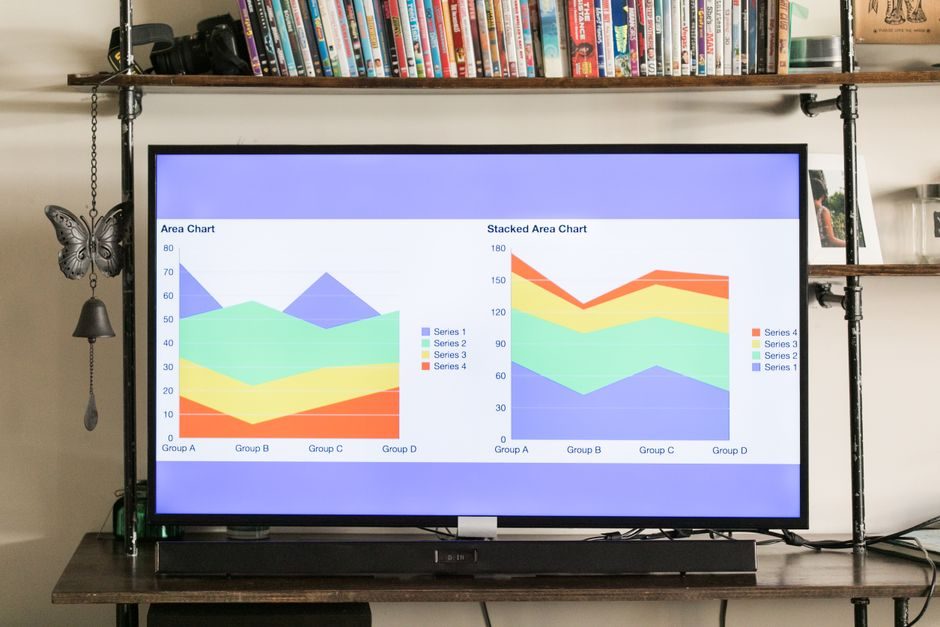
Create a short checklist of loan attributes: rate, term, fees, early repayment options, and customer support. Use it to evaluate at least three offers. A consistent framework makes the differences easier to see. A useful resource on this topic: que faire en France.
- Relying on the lowest rate alone
- Ignoring total cost and fees
- Not checking the repayment schedule
When possible, request a loan estimate or sample disclosure form. These documents reveal exact numbers and conditions before you commit.
- Rate and APR aren’t the same; APR includes some fees
- Term length affects total cost and monthly payment
- Early repayment options save interest
- Hidden fees appear in fine print
- Customer service quality matters for future issues
Assessing risk and forgiveness
Suitability depends on your income stability and debt load. Longer terms reduce monthly payments but increase total interest. Shorter terms raise monthly costs but minimize total interest and speed up payoff.
Consider your plan if circumstances change: job loss, medical costs, or rate shifts. A cushion in your budget reduces the risk of missed payments and penalties.
- Evaluate your monthly budget with your loan in mind
- Check for flexible repayment features
- Watch for variable rates if unsure about future income
- Ensure an emergency fund covers key months
Loan options and where to look
Traditional banks vs fintechs
Banks often provide stable terms and clear documentation, but fintechs may offer faster approvals and more flexible terms. Compare approval speed, document requirements, and customer experience across both. This helps you pick a route that matches your time frame and comfort with online processes. A useful resource on this topic: annuaire d'entreprises France.
- ☐ Verify license and accreditation
- ☐ Compare repayment options
- ☐ Look for clear disclosures
- ☐ Test customer support channels
In fintechs, verify licensing, data security, and transparent disclosure practices. Steer toward lenders with clear repayment schedules and easily accessible support.
- Bank offers are often familiar and steady
- Fintechs can be quicker but require diligence
- Look for licensed lenders and strong privacy
- Ask about how changes in income affect terms
- Read reviews for transparency
| Option | Pros | Cons |
|---|---|---|
| Traditional bank loan | Stable terms, clear process | Often slower, paper-heavy |
| Fintech personal loan | Fast approval, flexible terms | Higher fees possible, variable support |
| Secured loan | Lower rates, larger amounts | Risk of losing collateral |
Alternative routes
Personal lines of credit, balance transfers, and secured loans offer different risk profiles and fees. Reserve these for clearly beneficial scenarios like easing cash flow or building credit. Avoid using them for routine purchases.
Secured options require collateral and carry distinct risks if value moves against you. Confirm what happens if you miss payments or prices fluctuate.
- Consider credit-building potential
- Balance transfer limits and fees
- Collateral requirements and risks
- Alternative repayment paths
- Credit utilization impact
Look for compounding frequency and whether the rate can change over time.
How to read the fine print

Understand APR versus interest rate
When you review a loan, start with the annual percentage rate (APR) and how it compares to the nominal interest rate. APR includes fees, so it’s usually higher than the interest rate alone. This helps you compare offers from different lenders on a level footing. A useful resource on this topic: passer une annonce en France.
Look for compounding frequency and whether the rate can change over time. A loan with a fixed rate stays predictable, while a variable rate can shift costs unexpectedly. Knowing how often interest compounds clarifies your true monthly payment.
Be aware of late fees, prepayment penalties, and grace periods. These costs can drastically increase the total amount paid if you miss a payment or pay early. Read the fine print to see how these charges are triggered and capped.
- compare APRs carefully
- note compounding and fees
- watch for penalties
Fine print practical examples
A lender quotes an APR of 7.5% with an upfront origination fee of 300 euros. The actual cost over five years may be closer to 8.2% when you spread the fee across the loan term.
Another offer has no origination fee but a higher ongoing interest rate. Depending on the repayment period, the total cost can end up similar to the one with the fee, so compare total cash outlays.
Always run a simple calculator: plug in the loan amount, term, fees, and rate to see the monthly payment and total interest. Small differences in terms add up.
- origination fees matter
- no-fee offers aren’t always cheaper
- do the math with a calculator
Managing loan costs over time
Plan for total cost, not just monthly payment
A lower monthly payment can hide higher long-term costs. Favor loans where the total interest and fees over the term are reasonable for the amount borrowed. This helps you avoid payment fatigue and debt creep. déposer un avis d’obsèques en France
- Estimate total repayment for each option
- Compare payment schedules side by side
- Assess impact on monthly cash flow
Consider how long you’ll keep the loan. Shorter terms usually cost more per month but save on interest, while longer terms reduce monthly burden but increase total costs.
Set a personal cap for total repayment relative to income and other priorities. If the loan pushes debt service beyond your comfort zone, reevaluate the amount or term before signing.
- total cost matters
- term choice matters
- budget discipline
When to refinance versus switch lenders
Refinancing can reduce the rate or adjust the term, but it also resets fees and closing costs. If you can secure a better rate with the same or similar term, refinancing is worth a closer look.
Compare the new total cost to your remaining balance on the old loan. If the sum of new fees and interest exceeds your savings, stay with the current loan.
Timing matters: refinance when rates shift meaningfully or when your credit improves enough to qualify for a better offer.
- evaluate new costs vs. savings
- don’t forget closing fees
- watch for credit changes
Red flags when applying for credit
Warning signs in loan terms
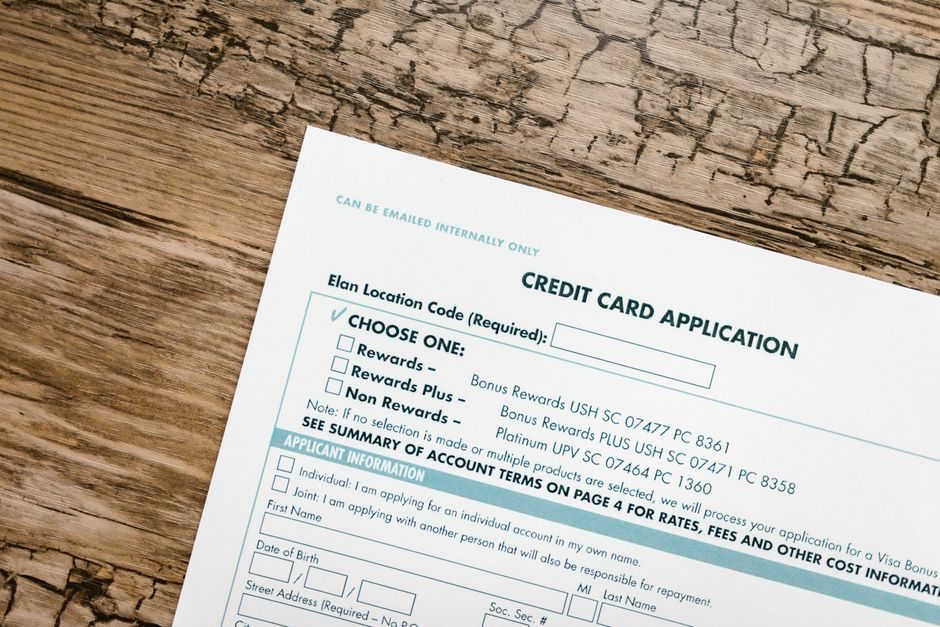
Unusually long repayment periods can mask high overall costs. Watch for a high prepayment penalty or a variable rate with little notice of changes. These features erode predictability and increase risk.
Ambiguous fees hidden in the contract or vague explanations of charges signal potential trouble. Ask for a clear, itemized list before you sign.
A lender that pressures you to accept promptly or discourages shopping around is a red flag. Take time to compare offers and read the full agreement.
- watch repayment length
- clarify all fees
- avoid high-pressure tactics
Creditworthiness and the fine print
Lenders often tailor offers based on your credit profile. Ensure the terms you’re shown reflect your actual situation rather than a generic pitch. If a rate seems unusually favorable, verify how it’s calculated.
Ask for a breakdown of required documents and why each item is needed. Unnecessary requests can indicate sloppy underwriting or a risk of fraud.
Keep copies of every document and continue monitoring your credit report for unusual activity during the application process.
- verify rate accuracy
- document requirements
- monitor credit activity
Putting it all into action
Create a practical borrowing plan
Start with a clear purpose for the loan and a realistic repayment timeline. Outline the monthly payment you can comfortably make without sacrificing essential expenses.
- Define purpose and timeline
- List all costs and penalties
- Assess current debt before borrowing
List all costs: interest, fees, insurance, and any potential penalties. Prioritize loans with predictable costs and straightforward terms.
Review your existing debt to avoid borrowing more than you can manage. If you already carry high-interest balances, address those first before taking on new debt.
- define purpose and timeline
- itemize all costs
- prefer simpler terms
Steps to compare offers efficiently
Create a side-by-side comparison sheet. Include APR, total cost, term, monthly payment, fees, and prepayment terms. This helps you see the true cost of each option.
Use a calculator to test how different terms affect your monthly budget and total interest. Small term changes can have meaningful effects over the life of the loan.
Call the lenders with questions about unclear items; get written confirmations to avoid later misinterpretation.
- APR, total cost, term, monthly payment
- calculate term impact
- request written confirmations
Frequently asked questions
What should I compare first when loan shoppingBegin with the APR including fees, then review the term and monthly payment. A lower payment is not always better if the total cost rises significantly. Keep the focus on long-term affordability rather than immediate relief.
How do prepayment penalties affect costsPrepayment penalties discourage paying off a loan early, which can waste money if your finances improve. If you anticipate extra cash, find a loan without penalties or with a modest cap. Pay attention to any minimum prepayment requirements.
What about fees that aren’t obviousSome lenders disclose fees only after approval. These may include processing, underwriting, or service charges. Ask for an itemized list before you sign and verify how each fee is calculated.
Is it safe to borrow for investingBorrowing to invest can amplify gains but also losses. It’s risky to rely on investment returns to cover debt service, especially in volatile markets. Only borrow if you have a solid repayment plan that doesn’t depend on returns.
Conclusion: practical next steps
Take your time to compare the total cost of each loan, not just the monthly payment. Use a side-by-side sheet and verify every fee before signing.
Then pick a loan with clear terms, predictable payments, and a fair balance of rate, term, and fees. After you decide, lock in the offer and document the agreement, keeping a copy for future budgeting.

Add Loans Guide as a preferred source on Google


