
Smart steps for buying and selling in Austria: practical guide
Clear, actionable guidance for Austrian buyers and sellers on loans.edu.pl, covering basics, options, pitfalls, and tips for safe financial decisions.

This practical guide answers how to buy and sell in Austria with finance-smart steps that fit everyday budgets. You’ll learn what to check before you commit, how to compare options, and where to seek trusted information. By following these steps, you can reduce risk and make smarter decisions around loans, purchases, and funding.
Start with your goal and risk tolerance, then map out costs beyond the sticker price. Understand how taxes, fees, and exchange rates affect the total cost of a deal. Finally, build a simple checklist to verify legitimacy and protect your money.
The guide blends core financial concepts with concrete actions you can take today. You’ll see real-world examples, simple calculations, and practical cautions that save time and effort when dealing with Austria-specific processes.
- Start with a clear goal and total cost in any Austrian deal. Compare financing options and choose the one that fits your cash flow. Watch for hidden fees and verify identities to avoid scams.
- Keep loans short where possible to reduce interest, or use savings when costed correctly. Always request itemized quotes and written terms to prevent misunderstandings.
- Apply caution with cross-border payments and crypto or digital assets. Maintain transparent records and predictable payment schedules to stay in control.
- Document everything: contracts, receipts, and delivery confirmations. Build a simple checklist that you update as a deal progresses to stay organized.
Understanding the basics
What to verify first
Begin by confirming the total cost of a transaction, including hidden fees and taxes. Compare offers side by side using a simple spreadsheet you update in real time. This helps ensure you are not surprised by later charges. kaufen und verkaufen in Österreich is a phrase used in German-language contexts to describe buying and selling activities in Austria.
Next, assess your repayment ability or funding source before committing. A clear budget and a discount-rate estimate make it easier to decide whether a loan, credit line, or credit card fits your plan.
Finally, check the seller’s or lender’s reliability through basic due diligence—recurring contact, consistent information, and reasonable response times reduce friction later.
- Make a side-by-side cost table
- Summarize terms in writing
- Ask for item or loan history
- Request a clear repayment schedule
- Confirm cancellation rights
Risks and red flags
Price alone is not enough. Look for signs of pressure tactics, vague terms, or inconsistent information that could mask costs. A slow, thoughtful pace often reduces mistakes in high-stakes deals.
Understand where you stand if plans change. If a lender or seller cannot accommodate changes, you may be locked into a poor deal. Favor options with a fair cancellation or modification policy.
Keep an objective view: separate emotion from the numbers. If a deal feels forced or unusually urgent, pause and reassess against your budget and goals.
- High-pressure tactics
- Unclear terms
- Nontransparent fees
- Unverified seller or lender
- Unreasonable deadlines
Funding it right

Choosing a financing path
Evaluate whether a loan, lease, or savings plan best matches your purchase. Short-term loans may carry higher costs, while using savings avoids interest but ties up cash. Österreich24 helps local readers spot timely offers and market updates relevant to personal finance and consumer decisions.
- List your top three funding options
- Estimate total repayment for each option
- Pick the option with the best balance of cost and flexibility
Compare repayment schedules and total interest across options. A longer term can lower monthly payments but increase overall costs. Choose the option that aligns with your cash flow and long-term goals.
If you have strong credit, negotiate terms with lenders; if not, consider credit unions or peer-to-peer options that may offer lower rates.
- Loan vs savings plan
- Impact of term length
- Interest vs fees
- Credit availability strategies
- Negotiation tips
Managing currency and fees
Transactions in Austria may involve currency considerations for cross-border deals. If you pay in a different currency, monitor exchange rates and conversion fees to avoid erosion of value.
Ask for a clear breakdown of all charges, including handling, service, and processing fees. A transparent quote reduces surprises at closing.
Use a fixed-rate or hedging approach only if it clearly protects your budget; otherwise, small rate swings can quietly accumulate.
- Track exchange rate impact
- Request itemized quotes
- Avoid hidden conversion costs
- Prefer local currency when possible
- Review settlement timelines
Buying and selling safely
Protective steps
Always use written agreements and receipts. A clear contract outlines responsibilities, delivery terms, and remedies for breaches. Veranstaltungskalender in Österreich lists events that could affect financial planning, from tax seminars to investor meetups, which can inform smarter money moves.
Verify identities and ownership documents before transferring funds. This reduces the chance of fraud and ensures you are dealing with legitimate parties.
Keep communications in writing when possible and store documents securely. This creates a traceable record if issues arise later.
- Use written contracts
- Verify IDs and ownership
- Keep secure records
- Document delivery and refunds
- Confirm return policies
| Option | Pros | Cons |
|---|---|---|
| Loan | Known monthly payments | Total cost may be high over time |
| Lease | Lower upfront | Restrictions on ownership |
| Savings plan | No interest | Ties up cash |
Negotiation and timing
Timing can influence price and terms. If possible, start with a fair offer and build from there, allowing room for compromise without rushing decisions.
Prepare a short justification for your offer based on market norms and your budget. A rational rationale improves the chance of a favorable response.
Be ready to walk away if terms stay unfavorable. A clear ceiling helps protect your finances.
- Offer a justified price
- Back up with market norms
- Set a hard limit
- Walk away if needed
- Use calm negotiation tactics
You should separate personal purchases from investment activity to avoid cross-contamination in tax reporting.
Tax considerations in Austria
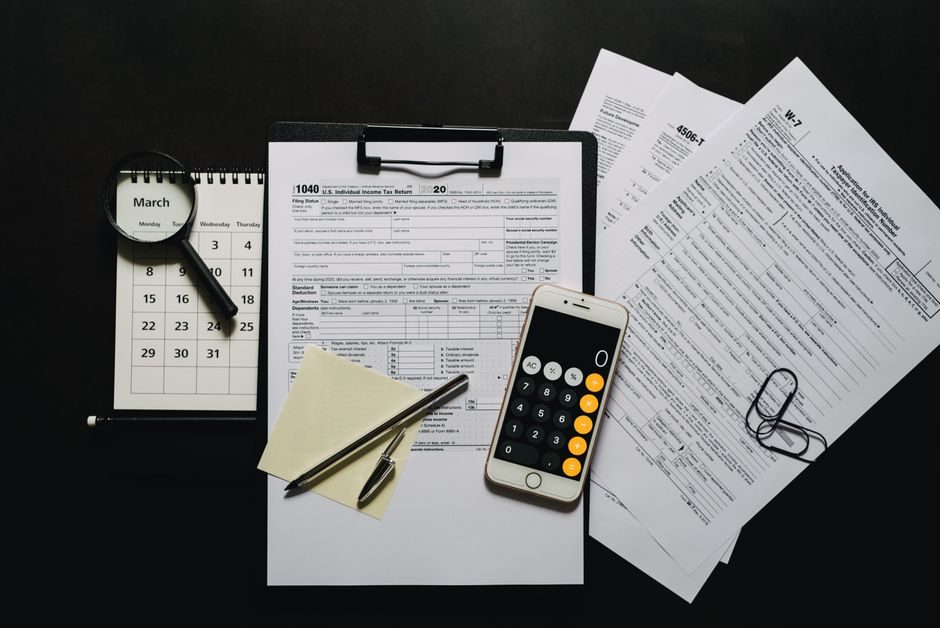
Income tax implications for trades
When you buy and sell assets in Austria, track any capital gains or losses for tax purposes. Keep receipts and dates for purchases and sales, since timing can affect taxation. Understanding the basic rates helps you estimate liability before making a move. Branchenbuch Eintrag in Österreich directories can help verify businesses you consider engaging with and may aid in due diligence.
You should separate personal purchases from investment activity to avoid cross-contamination in tax reporting. For frequent traders, consider a dedicated accounting method to simplify annual returns. This clarity saves time when you file.
Tax planning should be proactive: project quarterly gains and set aside funds for taxes to avoid surprises at year-end. Schedule a quick review with a local tax advisor if you have complex holdings. The goal is predictable cash flow rather than large, unexpected bills.
- Track cost basis carefully
- Record dates for buys and sells
- Separate personal and investment activity
- Consult a tax adviser if needed
- Keep digital copies of receipts
Boxed notes for deductions
Austria allows deductions that reduce taxable income, but eligibility varies by asset and purpose. Keep receipts for expenses directly tied to investment activities, such as broker fees or account maintenance. Treat these as legitimate deductions only if they clearly relate to generating taxable income.
Reviewing deductible costs at year-end can trim the bill, but avoid inflating figures. Only claim items you can substantiate with documentation. In doubt, slow down and verify with a tax professional.
A careful approach to deductions ensures you don’t trigger audits or penalties. If your portfolio grows, consider quarterly checks to adjust estimates. Balancing proactive planning with conservative reporting is the safest path.
- Document qualifying expenses
- Keep broker and service fees
- Avoid inflating deductions
- Cross-check with receipts
- Consult a tax pro if uncertain
Using credit wisely
Credit use basics for investors
Borrowing can amplify returns but also magnify losses. Use credit only for investments with a clear plan and exit strategy. Set strict limits so debt payments do not crowd essential living costs. Nachruf schreiben in Österreich
- ☐ Only borrow for investments with a proven plan
- ☐ Keep debt serviceable under stress scenarios
- ☐ Review credit terms annually
- ☐ Avoid chasing high-risk credit products
Understand the cost of credit, including interest and fees, before leveraging. A higher interest rate can erode gains quickly if markets move against you. Lean toward prudence and conservative leverage rather than aggressive bets.
Regularly review your credit lines and repayment schedules to keep debt under control. If a loan is sanctioned for investment, ensure you can service it even in adverse scenarios. The objective is financial resilience, not exposure.
- Set strict borrowing limits
- Know all costs before using credit
- Align debt with a clear plan
- Monitor repayments regularly
- Prefer conservative leverage
Digital assets and risk
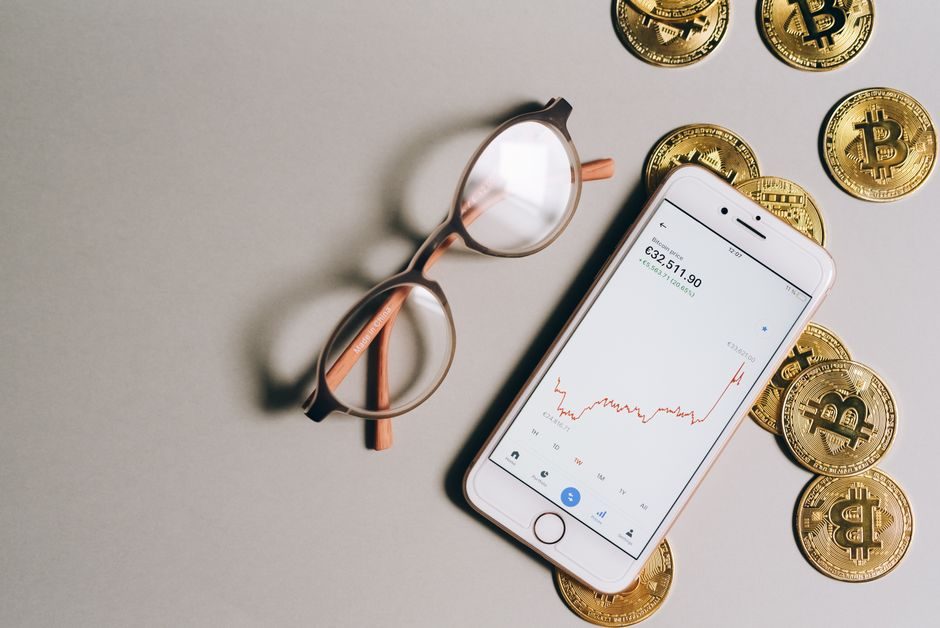
Handling crypto with care
Digital assets require separate risk assessment from traditional investments. Use reputable wallets, enable strong authentication, and keep backups offline. Security habits directly influence long-term viability.
- Use reputable platforms
- Protect access with strong authentication
- Keep offline backups of keys
- Track all trades for compliance
Price volatility is a given, so size positions to your risk tolerance and time horizon. Regularly reassess holdings to avoid overexposure. Diversification remains a key guardrail within this volatile space.
Record every transfer and transaction in a personal log to support future tax and compliance needs. With strong documentation, you can resolve questions quickly if audits arise or if you switch exchanges. The aim is clear traceability.
- Choose secure wallets
- Enable two-factor auth
- Back up keys offline
- Document transfers and trades
- Regularly rebalance exposure
Recordkeeping and audits
Organized records for finance
Maintain a centralized system for receipts, trade confirmations, and tax documents. A simple file structure makes documents easier to locate during audits or reviews. Digital copies reduce the risk of physical loss.
Automate where possible: export statements, receipts, and summaries to a single repository. Regular backups prevent data loss, and standardized naming helps you find items quickly. Consistency reduces stress when deadlines loom.
Auditors look for clarity and reconciliation between records and reported figures. Reconcile monthly statements with your ledger and flag anything unusual early. Preparedness lowers the chance of penalties and speeds up the process.
The ongoing habit should be to add new documents promptly and routinely audit your own files. A quarterly review often uncovers gaps before they become issues. The aim is smooth, confident financial administration.
- Create a single organizing system
- Back up data regularly
- Reconcile statements monthly
- Flag anomalies early
- Review quarterly
Frequently asked questions
Should I treat Austrian taxes as a yearly ritual or a rolling process?Tax compliance should be a continuous practice. Track gains and losses as they occur, set aside funds for taxes, and schedule periodic reviews with a tax professional. This approach reduces end-of-year stress and improves cash flow management.
What is the safest way to hold digital assets in Austria?Use hardware wallets or trusted custodial services with strong security practices. Enable two-factor authentication, keep recovery phrases offline, and limit exposure by diversifying across wallets. Regularly review security settings and access controls.
How can I avoid common recordkeeping pitfalls?Keep everything in one organized system, assign consistent naming, and back up data. Reconcile statements monthly and review discrepancies promptly. A predictable routine reduces audit risk and saves time during filing.
When should I seek professional help?If gains are complex, you hold large or diverse portfolios, or you face uncertain tax treatment, consult a local advisor. A brief initial meeting can clarify reporting requirements and prevent costly mistakes.
Practical next steps for Austrian finance decisions
Take a half-hour to map your current holdings and the taxes they may trigger, noting any deductible costs you can claim.
Choose one digital asset safety measure to implement this month, such as enabling two-factor authentication or backing up keys offline.
Add Loans Guide as a preferred source on Google


