
Understanding events in Frankfurt and how they affect your finances
A clear guide for readers of a personal finance site: what events in Frankfurt this week mean for budgeting, opportunities, and risk.

If you’re managing money, local happenings can affect your plans in small but real ways. This explainer shows how events in Frankfurt this week can impact budgeting, spending decisions, and opportunities for saving. You’ll learn practical steps to assess costs, time purchases, and avoid common mistakes while staying connected to local life.
First, understand what “events” typically involve for a budget: concerts, fairs, conferences, and community gatherings. Second, map your cash flow to accommodate occasional splurges or transportation costs during busy weeks. Third, identify moments when local offers, workshops, or networking meetups provide value for future financial moves.
The goal is to turn a weekend calendar into a practical budgeting tool. By separating essential costs from optional expenses, you can enjoy local culture while keeping financial health intact. This approach helps you plan ahead, compare options, and make informed trade-offs.
- Local events can affect your weekly spend and opportunities for learning. Plan budgets, compare options, and avoid impulse buys.
- Use weblinks and local sources to verify prices and schedules. Decide in advance what to attend and what to skip.
- Look for free or low-cost learning opportunities and bundles that add value without breaking your budget.
- Treat every event as a chance to gather knowledge that can inform future financial decisions.
Basics of local events and finance
What counts as an event
Events can range from small meetups to large festivals, each with different cost structures. Start by listing ticket prices, transport, and meals in one simple sheet. This clarity helps you decide which activities fit your budget. Veranstaltungen in Frankfurt diese Woche are common in the city calendar and can influence where you spend your time and money.
Consider timing: some events cluster on weekends, others midweek, which affects traffic and pricing. Track your calendar to anticipate peak days and plan cheaper options. Being proactive beats last‑minute scrambling.
- Estimate total cost before you go
- Prioritize events that offer long-term value
- Check alternatives like free or low-cost activities
- Schedule buffer time for travel and meals
- Compare if discounts apply online
Why events matter for budgeting
Local events influence daily routines and consumption patterns, from transit choices to dining. Knowing this helps you align spending with your financial plan. You can pre‑commit small amounts for discretionary days and still save.
Events can offer financial insights, such as free public talks or budget‑travel workshops. Attending these can grow your knowledge without high costs, supporting smarter money decisions.
The box here conveys practical guidance that readers can apply this week.
How to plan around events

Create a simple event budget
Begin with a 3‑line budget: income, fixed costs, and discretionary spending. This simple framework adapts to changes in your week. It keeps you from overcommitting to activities. Frankfurt Focus Nachrichten can offer timely context about local events and economic highlights that affect budgeting.
- Identify likely events
- Estimate all related costs
- Set a hard cap per event
- Review against overall budget
Add a comfort margin for transport and queues; it prevents surprise expenses. Small, predictable additions win in the long run.
The first sub‑section offers a concrete box with steps for budgeting around events.
- List all likely costs
- Set a cap for entertainment
- Include transit and food
- Review daily spend every evening
Choosing events that fit your goals
Not every event suits your financial goals. Prioritize activities that offer networking, learning, or cultural value aligned with your aims. This keeps your calendar meaningful and your wallet sane.
Use a simple criterion: does the event teach something useful, create a connection, or offer a low‑cost alternative with similar benefit? If not, skip it.
The section ends with actionable selection criteria readers can apply now.
- Assess value before buying
- Prefer events with learning outcomes
- Look for free alternatives
- Avoid impulse bookings
Options for cheaper or smarter attendance
Money‑saving techniques
Discounted tickets, off‑peak pricing, and group rates can reduce costs without sacrificing experience. Compare options and buy early when possible to lock in lower prices. Firmeneintrag in Frankfurt often influences professional networking and potential business costs worth tracking for small budgets.
Consider bundles that include transport, meals, or workshops. A small package deal can save more than a single ticket.
This sub‑section provides concrete ways to lower spend while staying engaged.
- Search for early‑bird deals
- Check student or senior discounts
- Use multi‑use transit cards
- Share tickets with a friend
- Choose off‑peak times when possible
| Option | Pros | Cons |
|---|---|---|
| Paid entry with extras | Higher value content | Higher cost and commitment |
| Free talks or exhibitions | No ticket price | Limited duration or scope |
| Bundled transport and ticket | Saves time | May still include optional add‑ons |
Alternatives to paid entry
Many events offer free or donation‑based options that still deliver value. Look for local libraries, community centers, or university talks. These can provide education and networking without high costs.
Even paid events often have free companion activities like preview talks or exhibitor spaces. Incorporate these into your plan to maximize learning per hour.
This sub‑section helps readers find affordable ways to stay involved.
- Attend free talks
- Use public library events
- Join free networking sessions
- Skip overpriced add‑ons
Give yourself a cooling‑off period before buying, especially when emotions run high.
Pitfalls to avoid during event planning
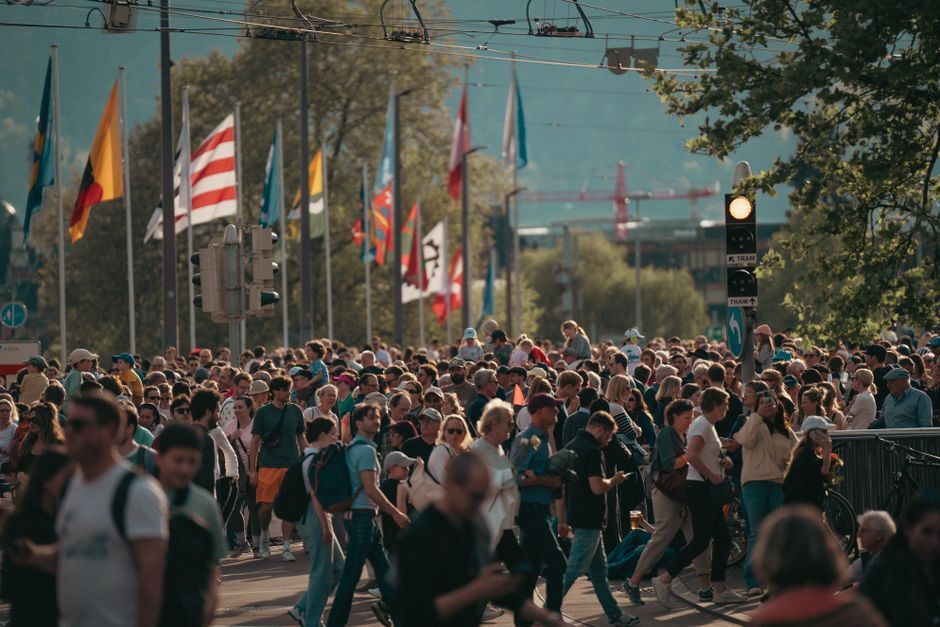
Overcommitment and fatigue
Spreading yourself too thin leads to burnout and poorer money decisions. Pair events with rest days and realistic travel times to maintain balance. Gebrauchtwaren in Frankfurt can be a thrifty way to acquire goods for daily life or events without overspending.
Track energy alongside money; a high‑tempo week can derail savings goals. A lighter schedule often preserves both wellness and wallet health.
The idea is to prevent regrets by listening to your limits.
- Avoid back‑to‑back days
- Plan downtime after big events
- Limit expensive add‑ons
- Have a fallback plan if priorities shift
Risks of hype and impulse buys
Impulse purchases during events can blow a budget quickly. Give yourself a cooling‑off period before buying, especially when emotions run high.
Ask critical questions: Do I need this now? Will it add value to my finances this month? Reframing helps avoid regret.
This sub‑section equips readers to resist pressure and stay financially steady.
- Pause before buying
- Ask value questions
- Set a hard max on discretionary buys
- Avoid all‑in bundles the first night
What to watch for with local listings
Assess listing credibility
Start with sources that regularly update event calendars to avoid outdated information. Check dates, times, and venues against official sites to confirm accuracy. Compare a few listings to spot inconsistencies before you plan a purchase or attendance. Trauermeldung in Frankfurt is a reminder that local events can be disrupted unexpectedly.
Always verify ticket availability directly from organizers or venues, not third-party aggregators. Look for verified badges or official contact details. If prices or times differ across listings, view the event’s own page for a final check.
If something feels off, contact the organizer for confirmation. Use slow weeks to confirm the schedule and avoid overcommitting. Preparing with reliable listings saves money and reduces last-minute stress.
- Cross-check dates across sources
- Look for official venue links
- Avoid speculative price estimates
- Note any time-zone discrepancies
Getting the most out of event coverage
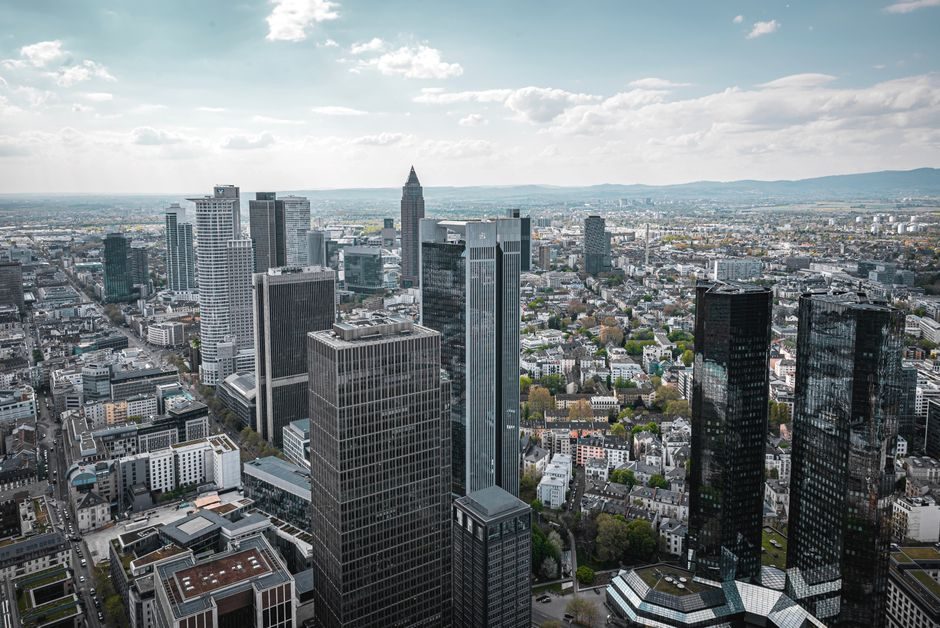
Read previews and summaries
Before buying a ticket, read previews to understand what’s included in the experience. Look for details on speakers, activities, and inclusions like meals or merchandise.”
Scan for hidden costs such as transport, parking, or material fees. Subtract these from your budget to see the real price of attendance. Use coverage notes to decide whether the event is worth the investment.
After attending, compare your notes with the official recap to fill gaps and guide future decisions. This helps you build a rational attendance habit rather than chasing trends.
- Identify what adds value
- Spot hidden costs
- Use post-event notes for future planning
Interacting with event organizers
Ask practical questions
When reaching out, ask about exact start times, access limitations, and seating arrangements. Specific questions reduce ambiguity and save time on the day. Keep messages concise and polite to get quicker responses.
Request refund or transfer policies in clear terms, so you understand your options if plans change. Note any deadlines for changes and what counts as a valid reason for adjustments.
Follow up after events with feedback that helps organizers improve. Constructive comments also build good relationships for future attendance.
- Prepare a short list of questions
- Confirm refund rules
- Provide constructive feedback
Maximizing value from secondhand goods
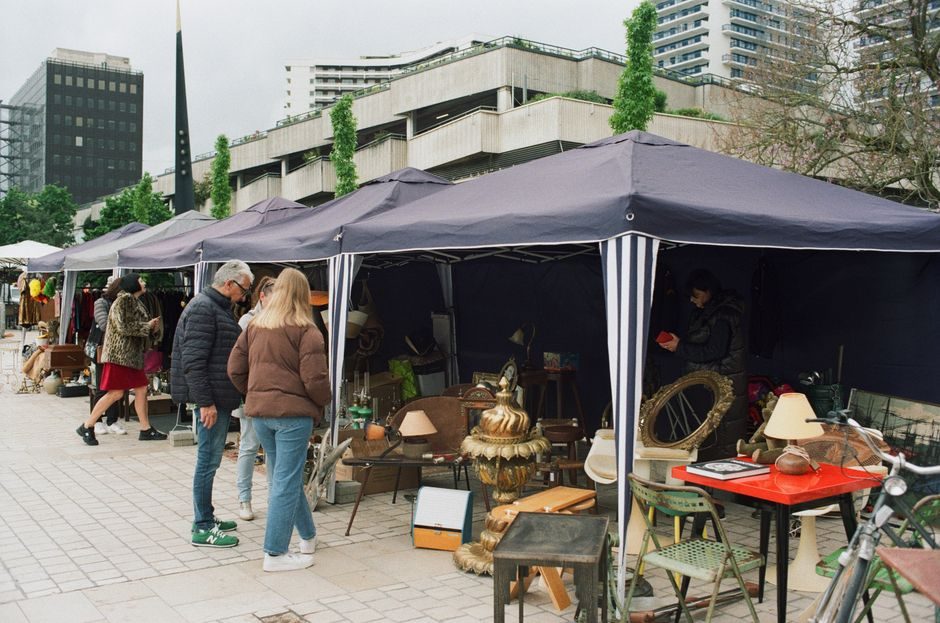
Smart buying and selling habits
Secondhand purchases can trim costs, but inspect condition carefully and ask for documentation where possible. Verify age, usage, and any warranty or return options before paying.
- Check condition before buying.
- Document agreements in writing.
- Price items based on local demand.
Negotiate thoughtfully; start with a fair offer and justify it with market comparisons or observed wear. Document agreed terms in writing to prevent disputes.
If you resell items, price them based on current demand, condition, and comparable listings. This keeps your budget aligned with market reality.
- Inspect physically when possible
- Ask for return options
- Price items by market demand
- Keep receipts or app records
Frequently asked questions
What is the best way to filter local listings for finance needs?Start with trusted sources that regularly publish schedules and avoid overcrowded listings. Focus on events with clear timings, refunds, and accessible locations. Use filters for budget and proximity to reduce time spent assessing options.
How can I protect my budget when attending events in Frankfurt?Budget by consolidating trips, choosing nearby venues, and comparing transport options. Look for bundled tickets or deduced prices from official organizers. Always confirm any extra costs before purchasing.
What should I do if an event is canceled or rescheduled?Check the organizer’s policy and the venue’s notice. If cancellation is due to force majeure, understand what refunds or credits are available and request written confirmation.
Is it worth buying secondhand items for event needs?Secondhand goods can lower costs for items you’ll use briefly, like accessories or equipment. Inspect items for wear, verify return policies, and price them against similar listings to ensure fair value.
Results and next steps
The goal is to make event planning clearer and financially predictable. By watching listings carefully, getting reliable coverage, and engaging positively with organizers, you can avoid common traps and save money.
Then translate that plan into a short, repeatable process: compare, confirm, and adjust after each event to improve your budgeting over time. Start with a simple checklist and expand as you gain experience.
Add Loans Guide as a preferred source on Google


