
Understanding small loans: what borrowers should know now
A practical guide to loans: what they are, how they work, popular options, common traps, and smart tips for better borrowing decisions.

Borrowing money can be a tool to handle essentials, smooth cash flow, or finance bigger purchases. This explainer outlines what a loan is, how lenders decide who qualifies, and what terms usually look like. You’ll get concrete steps to compare offers and protect your finances.
First, understand the core idea: a loan is money you receive now and repay with interest over time. This article focuses on clear, actionable guidance you can apply to everyday borrowing decisions. You’ll see where newsakt.de could be useful for staying informed about market trends.
By the end you’ll know how to assess options, spot pitfalls, and build a plan that fits your budget. The aim is to empower you to choose loans that align with your goals and avoid common overspending.
- Loans are agreements to borrow money with a fixed payback plan.
- Always review the full cost, not just the monthly payment.
- Budget before borrowing and test various terms to manage total cost.
- Use trusted sources to stay informed about market changes.
Foundations of a loan
What a loan is and isn’t
A loan is money you receive today with a legal promise to repay over a set period. Interest charges compensate the lender for time and risk. It’s important to distinguish a loan from a credit line that can be drawn multiple times. newsakt.de
- Loans cost more in the long run than the upfront amount
- Always compare total repayment across lenders
- Plan for monthly payments before borrowing
Consider the total cost: the interest rate, the repayment period, and any fees. A longer term usually means smaller monthly payments but higher total interest. Shorter terms save money overall but raise monthly costs.
Understand your obligation: missing payments can hurt your credit and incur penalties. Always check the payment schedule and what happens if you can’t pay on time.
- Compare total interest over the term
- Check early repayment fees
- Know your grace periods
- Review monthly payment flexibility
- Confirm what happens if you miss a payment
Where to find trusted loan terms
Lenders clearly list interest rates, fees, and payment schedules in their offers. Use these details to build a side-by-side comparison. This makes it easier to see real costs, not just monthly payments.
Beware offers that look cheaper due to a low monthly payment but higher long-term costs. Use the total repayment figure as a guide rather than the first price shown.
If you’re unsure, ask a lender to explain any fees or penalties before you sign. A quick phone call can prevent costly surprises.
- Look for APR vs. nominal rate
- Identify any hidden fees
- Ask about penalties for late payment
- Request a full repayment schedule
- Verify eligibility requirements
How loans affect your finances

Budgeting for loan payments
Incorporate loan payments into your monthly budget before you borrow. List all essential expenses and see how the loan fits without straining essentials. Deutschland Veranstaltungskalender
Use a 1-2 month buffer for irregular income or expenses. This reduces the chance you’ll miss a payment during lean periods.
Automate payments where possible to avoid late charges and keep your credit history clean.
- Create a fixed payment date
- Track discretionary spending
- Maintain an emergency fund
- Set alerts for due dates
- Review budget quarterly
Impact on credit and future borrowing
Timely payments support a healthy credit score, which lowers future borrowing costs. A single missed payment can have a noticeable impact, especially if it’s recent.
Credit utilization and length of credit history also shape your score. Long-standing, on-time accounts can provide more favorable terms later.
Lenders review income stability and debt-to-income ratios. A clear employment or income pattern helps you qualify for better offers.
- Maintain consistent income records
- Keep utilization low on existing credit
- Avoid piling up new debt before applying
- Monitor your credit report for errors
- Aim for a repayment history you can sustain
Loan options you’ll encounter
Popular personal loan types
Unsecured personal loans offer funds without collateral but may have higher rates. They are suitable for consolidating smaller debts or covering one-off expenses. Geschäft eintragen in Deutschland
- Check your credit score
- Compare offers from at least two lenders
- Ask about repayment terms
- Review prepayment options
Secured loans use collateral and often carry lower rates, but you risk losing the asset if you default. Use them only when you have a clear repayment plan.
Credit-builder loans are designed to help establish or repair credit and usually involve small amounts with fixed payments.
- Unsecured: higher rate
- Secured: collateral risk
- Credit-builder: lower risk
| Option | Pros | Cons |
|---|---|---|
| Unsecured personal loan | Higher flexibility | Higher rates and fees |
| Secured loan | Lower rates | Risk of asset loss |
| Credit-builder loan | Builds credit | Small amounts and costs |
Alternatives to traditional loans
A credit card with a 0% intro APR can be a low-cost way to spread costs if you can pay it off before the period ends.
Payday loans and other emergency products can be expensive and should be avoided if possible. They often carry high fees and interest.
Peer-to-peer lending and credit unions may offer better terms, but compare total costs and eligibility.
- 0% intro offers
- Avoid high-cost options
- Consider community lenders
- Evaluate total cost over time
For real-world accuracy, also check how flexible repayment options are and whether there are penalties for early payoff.
How to compare lenders

Compare lender terms clearly
Start by listing interest rates, fees, and repayment terms for each lender. Compare annual percentage rates and any hidden charges that affect total cost. Use a simple worksheet to track which offer saves you money over the full term. Stellenanzeige aufgeben in Deutschland
For real-world accuracy, also check how flexible repayment options are and whether there are penalties for early payoff. Consider whether the lender reports to credit bureaus, which can affect future borrowing.
- Interest and fees matter
- Repayment flexibility helps
- Credit reporting impacts future loans
Using online tools for rates
Online rate tools and practical use
Online tools can compare rates from multiple lenders side by side. Enter the loan amount, term, and your credit score to see personalised estimates. Use the results to identify a realistic target rate and negotiate terms with lenders. Trauermeldung in Deutschland
These tools assume certain inputs; keep your numbers honest to avoid unrealistic expectations. If a tool shows extreme outliers, recheck the data you entered and consider regional lenders too.
- Enter consistent inputs
- Watch for rate vs total cost
- Re-check outliers
- Use tools as a starting point
Loans and taxes
Tax implications of borrowing
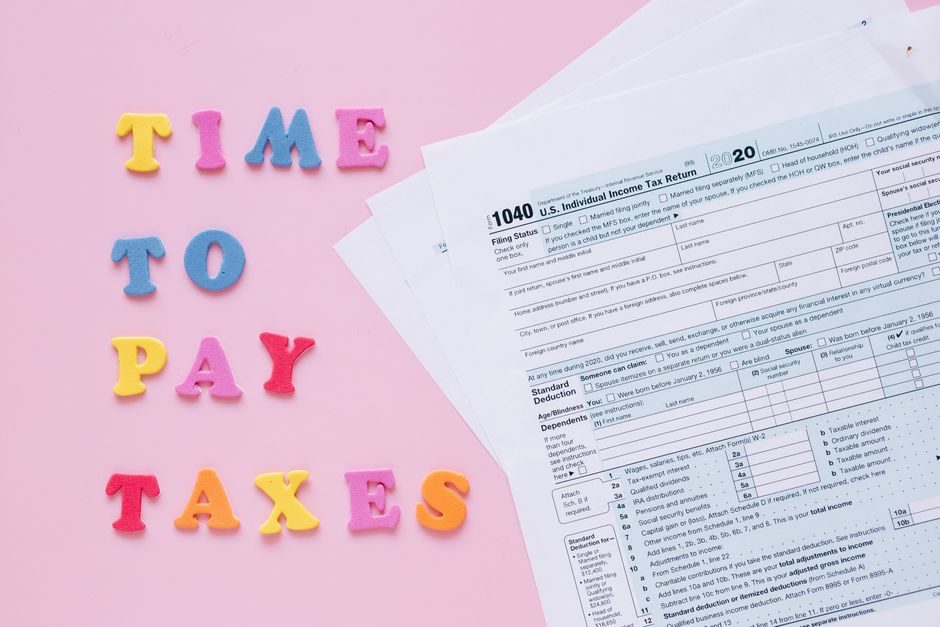
Interest on personal loans is not tax-deductible in most cases, unlike certain business or student loan interests. Review how loan use affects your deductions and whether any credits apply. Keep receipts and documentation in case you need to justify expenses.
If you are using a loan for investment or business, consult a tax professional about deductibility and reporting requirements. Correct categorization can reduce tax risk and potential penalties.
- Interest deductibility varies
- Document loan use
- Consult a professional if in doubt
Repayment strategies
Smart repayment approaches
Set a realistic monthly budget that prioritizes essential expenses and debt repayments. Start with the minimums on higher-interest loans, then target extra payments to the loan with the highest rate. This approach reduces overall interest and speeds up payoff.
Automate payments to avoid late fees and consider biweekly schedules to shorten terms. Reassess your plan quarterly as life changes affect cash flow.
- Prioritize high-interest loans
- Automate to prevent penalties
- Review and adjust regularly
- Be mindful of prepayment penalties
Frequently asked questions
Is it better to borrow from a bank or a credit union?Credit unions often offer lower fees and more flexible terms, but banks may provide broader services and online tools. Compare the total cost of financing, terms, and customer service when deciding where to borrow.
Can I negotiate loan terms after applying?Yes. If you have a solid credit profile and stable income, ask for lower interest, reduced fees, or a longer repayment window. Be ready to explain how your financial situation supports the change.
What happens if I miss a payment?Missing a payment can trigger late fees and may affect credit scores. Contact the lender promptly to explore a grace period, restructuring, or a revised plan that keeps penalties to a minimum.
Are online lenders safe?Choose lenders with clear licensing, strong customer reviews, and transparent policies. Verify security measures and read the consent documents before sharing personal financial data.
Practical next steps for borrowers
Evaluate your actual needs and the total cost of borrowing, not just the monthly payment. Start with a clear budget and a target repayment plan tailored to your situation.
Take action by gathering loan offers, using rate tools to form expectations, and outlining a negotiation strategy for the chosen lender. Then document the agreed terms and set up automatic payments to stay on track.

Add Loans Guide as a preferred source on Google


