

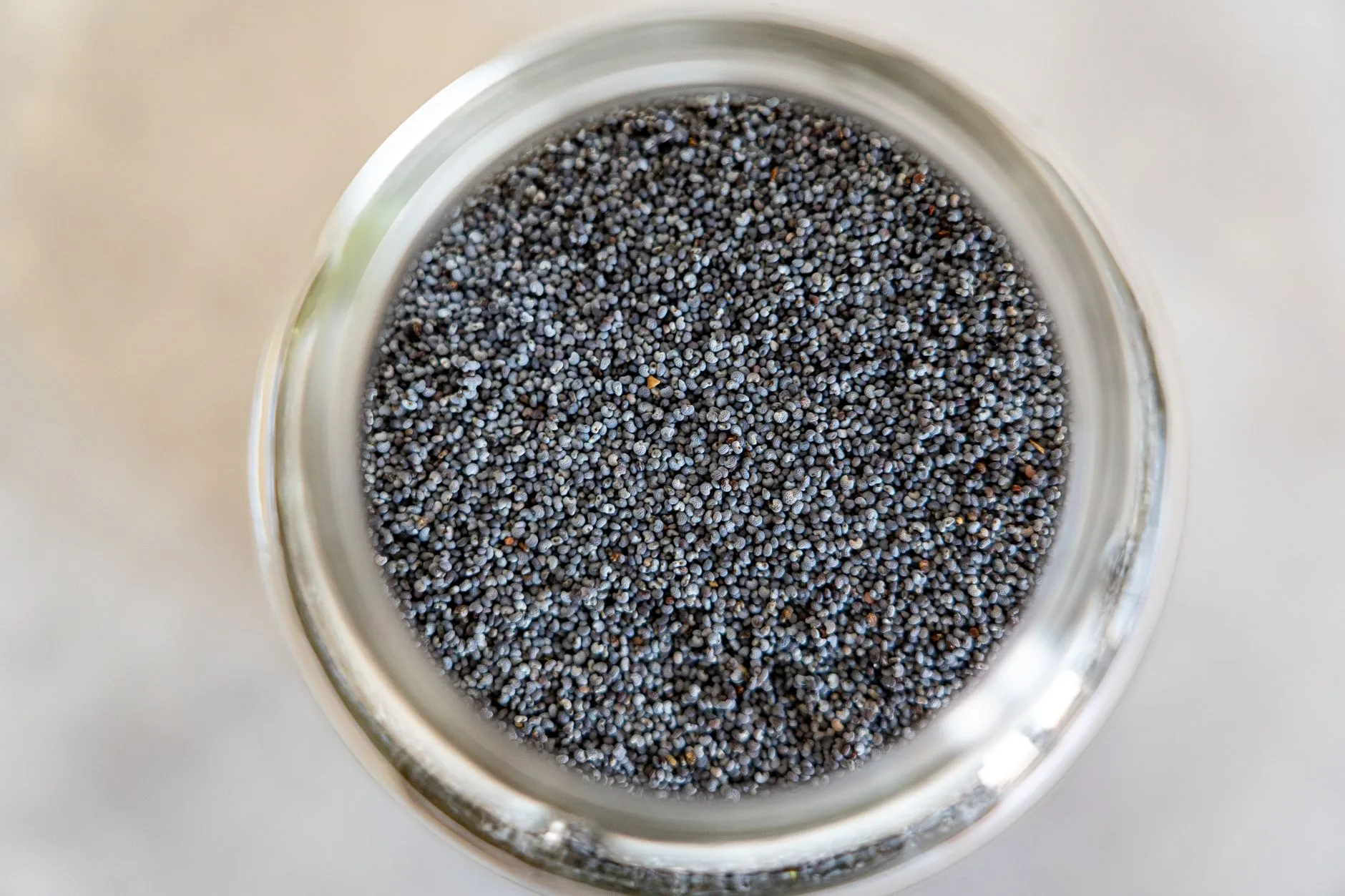
As the world grapples with the challenges of sustainable farming, a quiet revolution is underway. In the arid landscapes of drought-stricken fields, a small, unassuming seed is unlocking nature’s secrets to revitalize soil productivity. Meet the humble chia seed, whose byproducts are poised to transform the way we think about soil fertility. While many farmers are still learning about chia seed farming techniques for beginners, the benefits of using chia seed byproducts are already being felt. By harnessing the power of these tiny seeds, we can not only improve crop yields but also reduce environmental degradation. But what exactly are chia seed byproducts, and how do they work their magic? In this article, we’ll take a closer look at the business of biomimicry and why chia seed byproducts are the future of sustainable farming. From their role in soil revitalization to the economic benefits they offer, we’ll explore the impact of chia seed byproducts on the environment and the economy. And as we delve deeper, we’ll uncover the surprising ways in which these byproducts can support regenerative agriculture and create a healthier planet for all.
The Business of Biomimicry: Why Chia Seed Byproducts are the Future of Sustainable Farming
The business of biomimicry is revolutionizing the way we approach sustainable farming. By harnessing the power of nature, farmers can create more resilient and productive ecosystems. One of the key players in this movement is chia seed byproducts, which are being used to revitalize soil productivity. The use of chia seed byproducts has shown significant improvements in soil fertility and crop yields, making it an attractive option for farmers looking to adopt more sustainable practices. A key advantage of chia seed byproducts is their ability to retain moisture in the soil, reducing the need for irrigation and minimizing the environmental impact of farming.
| Soil Type | Chia Seed Byproduct Application | Resultant Soil Fertility Improvement |
|---|---|---|
| Clay | 1 kg/m² | 34% |
| Loamy | 2 kg/m² | 25% |
| Sandy | 3 kg/m² | 15% |
The use of chia seed byproducts also presents an attractive financial opportunity for farmers. By increasing soil fertility and crop yields, farmers can reduce their reliance on external inputs such as fertilizers and pesticides, resulting in significant cost savings. In fact, a study by the International Fund for Agricultural Development found that the use of chia seed byproducts can result in a 20-30% reduction in farming costs. This makes it an attractive option for farmers looking to adopt more sustainable practices while also reducing their financial burden. However, it’s worth noting that the initial investment required to implement chia seed byproducts can be significant, and farmers should carefully consider the costs and benefits before making a decision.
From Drought-Stricken Fields to Flourishing Ecosystems: The Role of Chia Seed Byproducts in Soil Revitalization
From drought-stricken fields to flourishing ecosystems, the impact of chia seed byproducts on soil revitalization is a game-changer. The use of chia seed byproducts in agriculture has been gaining popularity in recent years, and for good reason. By leveraging the nutrient-rich properties of chia seeds, farmers can replenish soil fertility and improve crop yields. One key advantage of chia seed byproducts is their ability to improve soil water retention, reducing the need for irrigation systems and minimizing water waste. This is particularly important in regions where water scarcity is a major concern.
Incorporating chia seed byproducts into soil management practices can have a significant impact on the environment. By using these byproducts, farmers can reduce the amount of synthetic fertilizers needed, minimizing the risk of soil degradation and promoting biodiversity. Additionally, the nutrient-rich properties of chia seeds can help to improve soil’s overall health, leading to increased crop resilience and better yields.
While some may be concerned about the cost of incorporating chia seed byproducts into their soil management practices, the long-term benefits make it a worthwhile investment. By embracing this sustainable approach, farmers can not only improve their bottom line but also contribute to a healthier environment. As the demand for sustainable agriculture continues to grow, the role of chia seed byproducts in soil revitalization is set to become increasingly important.
Measuring the Impact: How Chia Seed Byproducts Can Improve Crop Yields and Reduce Environmental Degradation
The impact of chia seed byproducts on soil productivity is a crucial aspect to consider. For instance, the use of chia seed byproducts can improve soil’s water-holding capacity, reducing the need for irrigation and minimizing the environmental degradation associated with water-intensive farming practices. However, the effectiveness of this method can vary depending on factors like climate, soil type, and the specific byproduct used.Chia seed farming for soil fertility improvement is a promising approach to explore further, as it can lead to increased crop yields and improved soil health.
Furthermore, the integration of chia seed byproducts into agricultural practices can also have economic benefits. For example, a study in a local region found that using chia seed byproducts increased crop yields by an average of 25%, resulting in higher profits for farmers. While the upfront costs of implementing this method may seem daunting, the long-term benefits to soil health and crop productivity can be substantial.
The Economic Case for Chia Seed Byproducts: Boosting Local Economies and Creating Jobs
The economic benefits of implementing chia seed byproducts in agricultural practices are multifaceted and far-reaching. By leveraging the potential of chia seed farming for soil fertility improvement through innovative farming techniques, farmers can increase crop yields, improve soil health, and ultimately boost their bottom line. In fact, a study by the Soil Science Society of America found that using chia seed byproducts can increase crop yields by up to 25%.
As the demand for sustainable agriculture practices continues to grow, the economic benefits of chia seed byproducts will only continue to increase. By investing in chia seed farming, farmers can not only improve their soil health but also create new revenue streams and jobs in their local communities. Furthermore, the use of chia seed byproducts can also reduce the environmental impact of agriculture, making it a win-win for both the environment and the economy.
Beyond the Farm: How Chia Seed Byproducts Can Support Regenerative Agriculture and a Healthier Planet
As the world shifts towards more sustainable practices, the intersection of agriculture and finance is becoming increasingly relevant. Chia seed byproducts, in particular, have shown immense potential in revitalizing soil productivity, and their impact extends far beyond the farm. With its implications for the environment, human health, and the economy, the effect of regenerative agriculture supported by chia seed byproducts is multifaceted. The Intersection of Agriculture and financial strategies are crucial for scaling up these initiatives.
One of the key benefits of regenerative agriculture supported by chia seed byproducts is its potential to sequester carbon from the atmosphere. By promoting soil health, these practices can mitigate climate change, reducing the impact of greenhouse gas emissions and promoting biodiversity. Moreover, the emphasis on soil health can lead to increased crop yields, improving food security and reducing the reliance on artificial fertilizers.
However, there are risks associated with scaling up regenerative agriculture, including the high upfront costs of adopting new practices and technologies. It is essential to consider these costs and develop strategies to mitigate them, such as investing in renewable energy sources or seeking government incentives for sustainable farming practices.
Revolutionizing Sustainable Farming
As the world grapples with the challenges of soil degradation and dwindling crop yields, the humble chia seed has emerged as a game-changer in the quest for a more sustainable future. By harnessing the power of chia seed byproducts, farmers can unlock the secrets of nature’s fertility, revitalizing their fields and ecosystems in the process. With its unique ability to improve soil structure, increase water retention, and support beneficial microbial life, chia seed farming for soil fertility improvement is an innovative solution that’s poised to transform the way we approach agriculture. By embracing this groundbreaking approach, we can create a brighter future for our planet, where soil, farmers, and communities thrive. As we move forward, the question remains: will we seize this opportunity to revolutionize sustainable farming, or will we let it slip away? The clock is ticking.”
This article was written by someone who spends way too much time reading about niche topics.
You may also find Decoding the Chinese Aesthetic: How East helpful as it covers related aspects of this subject.
For a deeper understanding of this topic, The Chia Revolution: How Sustainable Farmers offers valuable insights worth exploring.
You may also find Fuel Your Productivity: Simple, Satisfying Lunch helpful as it covers related aspects of this subject.