

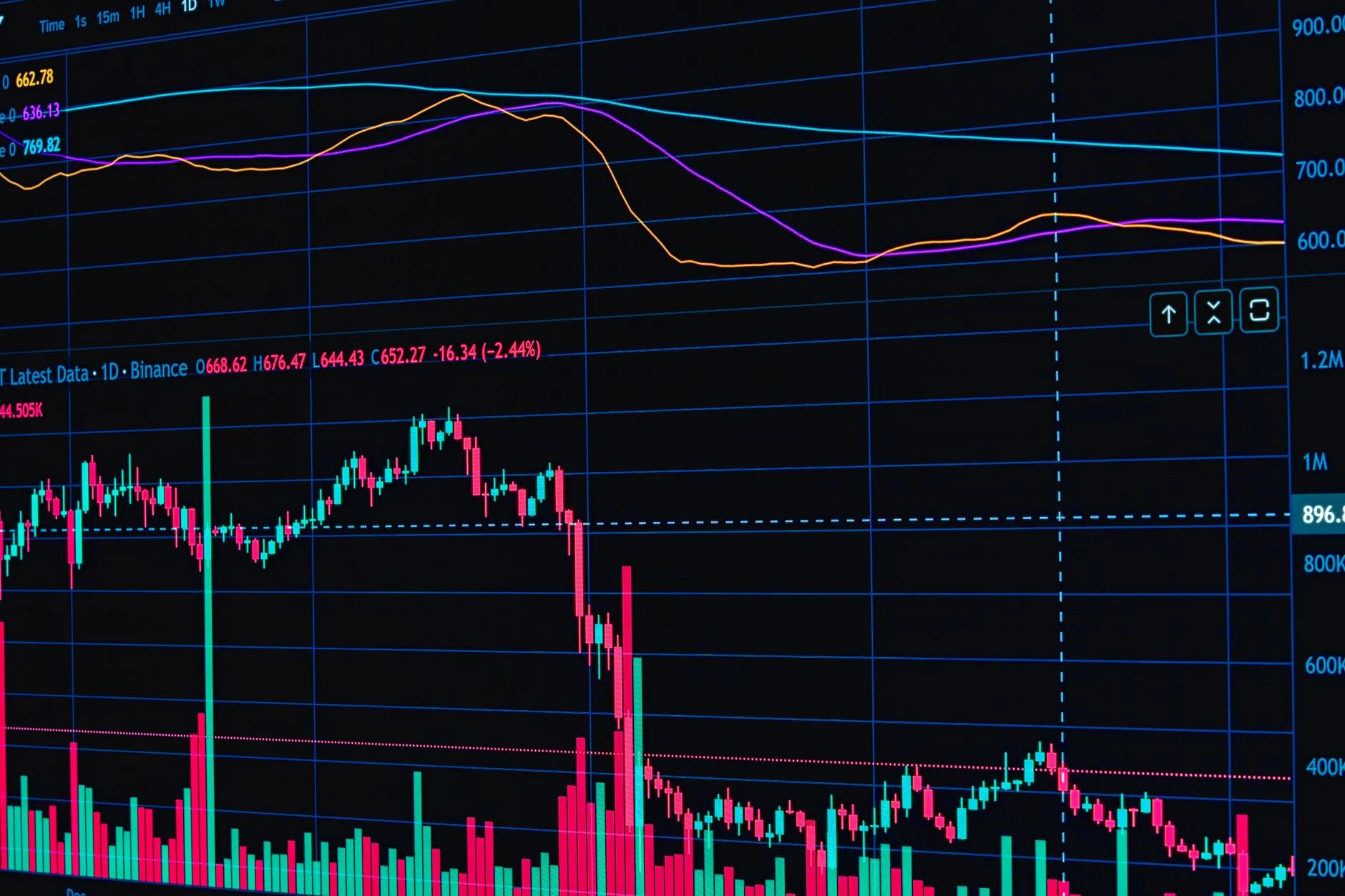
As the Bangladesh stock market continues to ride the rollercoaster of volatility, investors are left wondering what’s behind the recent ups and downs. Just last year, the market was soaring, with many attributing the growth to the country’s robust economic performance and the influx of foreign investment. However, in a dramatic turn of events, the market took a nosedive, leaving many scratching their heads and wondering what went wrong. The question on everyone’s mind is: what’s causing this unpredictability? From the impact of global factors to the role of politics and governance, it’s clear that the market’s volatility is a complex issue with multiple factors at play. One thing is certain: the recent market meltdown has left many investors searching for answers. To gain a deeper understanding of what’s behind the Bangladesh stock market’s recent volatility, we spoke to experts and delved into the country’s economic growth, regulatory framework, and the impact of economic inequality. But first, let’s take a look at the best investment strategies for Bangladesh 2026, as recommended by the experts at bangladeshportal.com, which offers a wealth of information on navigating the complexities of the Bangladesh stock market. By understanding the intricacies of the market, investors can make informed decisions and ride out the volatility with confidence.
From Economic Growth to Market Meltdown
The Bangladesh stock market has been on a rollercoaster ride in recent years, with periods of rapid growth followed by sharp declines. From 2010 to 2019, the market experienced a significant surge, with the Dhaka Stock Exchange (DSE) index increasing by 135%. This growth was largely driven by the country’s economic expansion, which saw GDP growth averaging 6.5% per annum during the same period. However, the market’s momentum was short-lived, and by 2020, the DSE index had plummeted by 34%, due in part to the COVID-19 pandemic and a decline in investor confidence.
The volatility of the Bangladesh stock market can be attributed to various factors, including the country’s dependence on a few key industries, such as textiles and garments. The market’s lack of diversification makes it vulnerable to external shocks, such as changes in global demand or trade policies. Furthermore, the regulatory environment and infrastructure in Bangladesh are still developing, which can lead to market inefficiencies and a lack of transparency.
The Role of Global Factors in the Stock Market's Volatility
The Bangladesh stock market’s volatility is not just a domestic issue; it is also influenced by global factors. The country’s economy is heavily reliant on foreign investment, which can be affected by events in other countries. For instance, the COVID-19 pandemic had a significant impact on global trade and investment, leading to a decline in foreign investment in Bangladesh. This, in turn, affected the stock market’s performance. Another factor is the fluctuating global oil prices, which can impact Bangladesh’s economy, given its dependence on oil imports. The recent volatility in the stock market can be attributed to these external factors, making it essential for investors to consider global trends when making investment decisions.
One key global factor is the fluctuations in the US dollar’s value. A strengthening US dollar can lead to a decrease in foreign investment in Bangladesh, as it becomes more expensive for investors to invest in the country. Conversely, a weakening US dollar can attract more foreign investment, leading to an increase in the stock market’s value. It is essential for investors to monitor these global trends and adjust their investment strategies accordingly.
The recent volatility in the Bangladesh stock market has also been affected by the country’s own economic indicators. The government’s fiscal and monetary policies, as well as the country’s economic growth rate, can impact the stock market’s performance. For instance, a decline in economic growth can lead to a decrease in investor confidence, resulting in a decline in stock prices. Therefore, it is crucial for investors to consider these domestic factors when making investment decisions.
How Politics and Governance Contribute to Market Fluctuations
The Bangladesh stock market has been a rollercoaster ride for investors in recent years, with frequent fluctuations in prices and a general sense of uncertainty. One of the key factors contributing to this volatility is the role of politics and governance in the market. A stable and transparent government can provide a sense of security for investors, while a lack of trust in the government can lead to market instability.
Answer: Political instability can lead to a lack of trust in the government, causing investors to become risk-averse and pull their investments out of the market. This can result in a decline in stock prices and a decrease in investor confidence.
For example, the recent change in government has led to a sense of uncertainty in the market, with investors waiting to see how the new administration will impact the economy and the stock market. Additionally, the lack of transparency in government decision-making can make it difficult for investors to make informed decisions about their investments. To mitigate this risk, investors can consider diversifying their portfolios and investing in a mix of stocks and other assets.
As the article Yatırımcılar İçin 2024 Yılı Finansal highlights, a well-planned financial strategy can help investors navigate the uncertainties of the market. By considering the role of politics and governance in the market, investors can make more informed decisions and reduce their risk.
The Impact of Economic Inequality on the Stock Market's Unpredictability
The economic inequality in Bangladesh has been on the rise, with a significant wealth gap between the rich and the poor. This imbalance has a ripple effect on the stock market, making it more unpredictable. The World Bank reports that the Gini coefficient, a measure of income inequality, has increased from 0.45 in 2000 to 0.50 in 2020. This trend is alarming, as it indicates a widening wealth gap. The relationship between economic inequality and stock market volatility is complex, but it’s essential to understand that when a small percentage of the population holds a significant amount of wealth, it can lead to market instability. Global economic shifts like this can have far-reaching consequences for investors and the overall economy. For instance, when a few individuals control a large portion of the market, they can exert significant influence over stock prices, making it challenging for other investors to make informed decisions.
- ☐ Diversify your portfolio to reduce reliance on individual stocks
- ☐ Consider investing in sectors that benefit from economic growth, such as healthcare and technology
- ☐ Keep a long-term perspective and avoid making impulsive decisions based on short-term market fluctuations
- ☐ Stay informed about global economic trends and their potential impact on the Bangladeshi market
As a result, investors in Bangladesh need to be aware of these underlying factors and take a strategic approach to their investments. By understanding the impact of economic inequality on the stock market, they can make informed decisions and mitigate potential risks. It’s crucial to acknowledge the potential risks of market volatility and be prepared for unexpected changes in the market.
Can Bangladesh's Regulatory Framework Be Blamed for the Recent Market Volatility?
Can Bangladesh’s Regulatory Framework Be Blamed for the Recent Market Volatility?
While there is no single cause for the recent market volatility in Bangladesh, some industry experts point to the regulatory framework as a contributing factor. The Bangladesh Securities and Exchange Commission (BSEC) has been criticized for its inconsistent and unpredictable regulatory policies, which can create uncertainty for investors. For example, the unexpected tightening of margin lending rules in 2022 led to a sudden liquidity crunch, causing stocks to plummet. But what exactly are the issues with Bangladesh’s regulatory framework that might be contributing to the market volatility?
The BSEC has been working to improve its regulatory framework, but some investors and industry experts remain skeptical. A key challenge is the lack of clear guidelines for enforcing regulations, which can lead to arbitrary decisions that favor certain groups. This can be seen in the BSEC’s inconsistent handling of cases involving insider trading and market manipulation. For instance, the recent Unlocking Wealth, Not Weight: Expert Insights offers valuable insights worth exploring.
If you enjoyed this article, we recommend checking out Uncovering the Digital Pulse of Sports for further reading.
For a deeper understanding of this topic, Unpacking the Hidden Costs of Investing offers valuable insights worth exploring.