

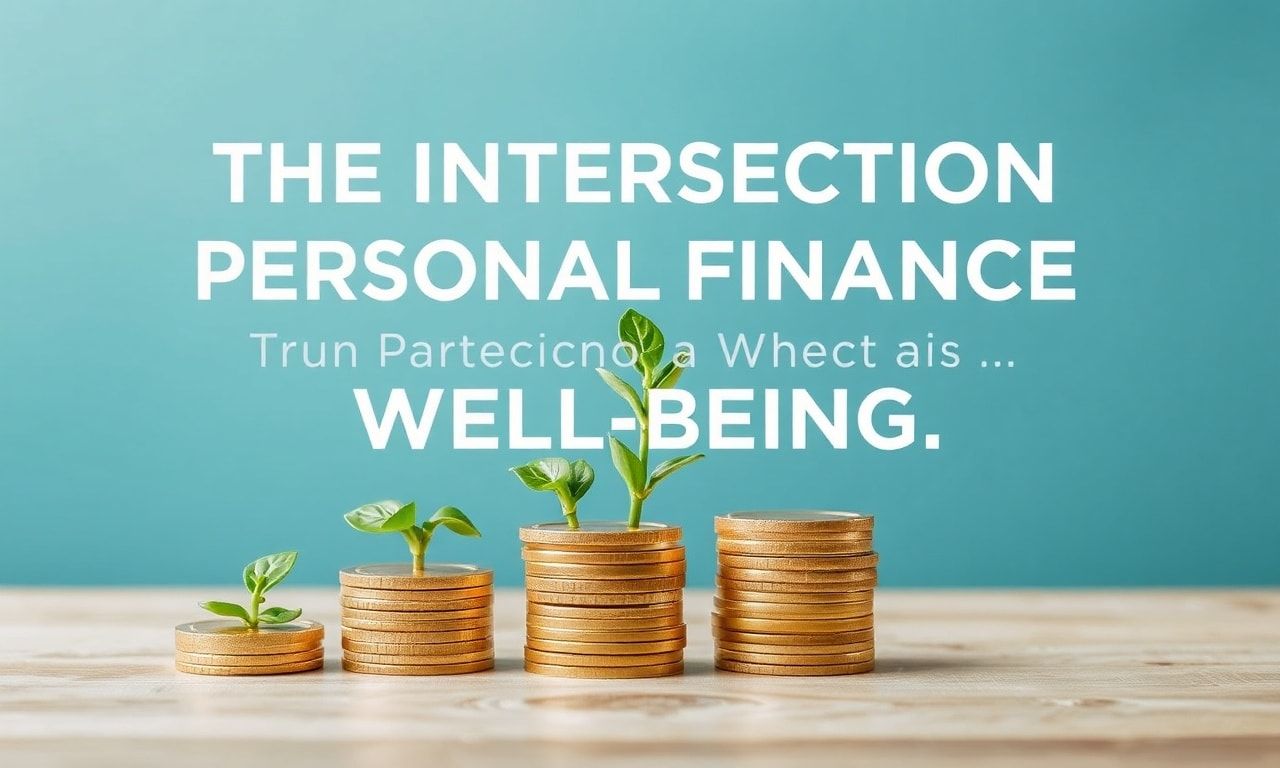
Understanding the Link Between Finance and Well-being
Personal finance and overall well-being are intrinsically linked. Financial stability can lead to reduced stress, improved mental health, and a better quality of life. Conversely, poor financial health can lead to anxiety, depression, and other health issues. Understanding this connection is the first step towards achieving a balanced and fulfilling life.
Creating a Budget: The Foundation of Financial Health
A budget is a powerful tool that can help you take control of your finances. It allows you to track your income and expenses, identify areas where you can cut back, and plan for future financial goals. Start by listing all your sources of income and then categorize your expenses. This will give you a clear picture of where your money is going each month.
Remember, a budget is not about restricting yourself; it’s about making conscious decisions about how you spend your money. It’s also important to review and adjust your budget regularly to ensure it remains relevant to your current financial situation and goals.
Actionable Budgeting Tips
- Use budgeting apps or software to track your spending automatically.
- Follow the 50/30/20 rule: allocate 50% of your income to necessities, 30% to wants, and 20% to savings and debt repayment.
- Set specific, measurable, achievable, relevant, and time-bound (SMART) financial goals.
- Regularly review and adjust your budget to stay on track.
Investing in Your Future: The Power of Compound Interest
Investing is a crucial aspect of personal finance that can help you build wealth over time. One of the most powerful concepts in investing is compound interest. This is the interest earned on both the initial principal and the accumulated interest on money market accounts, bonds, CDs, and other investments.
The earlier you start investing, the more time your money has to grow. Even small, regular investments can add up to a significant amount over time. Diversifying your investment portfolio can also help manage risk and maximize returns.
Getting Started with Investing
If you’re new to investing, start by educating yourself about the different types of investments, such as stocks, bonds, mutual funds, and exchange-traded funds (ETFs). Consider using a robo-advisor or consulting with a financial advisor to help you create an investment strategy tailored to your goals and risk tolerance.
Remember, investing involves risk, and it’s important to do your research and understand the potential risks and rewards before making any investment decisions.
The Role of Banking in Personal Finance
Banks play a vital role in personal finance, offering a range of services that can help you manage your money more effectively. From checking and savings accounts to personal loans and mortgages, banks provide the tools and resources you need to achieve your financial goals.
Choosing the right bank is an important decision. Consider factors such as fees, interest rates, account features, and customer service when selecting a bank. Online banks often offer competitive interest rates and lower fees, while traditional banks may provide more personalized service and a wider range of products.
Maintaining a Healthy Lifestyle on a Budget
Living a healthy lifestyle doesn’t have to break the bank. In fact, there are many ways to eat well, stay active, and take care of your mental health without spending a fortune. For instance, meal prepping can save you money and time while ensuring you have healthy meals ready throughout the week. You can find plenty of healthy meal prep ideas and news online to get you started.
Regular exercise is another important aspect of a healthy lifestyle. You don’t need an expensive gym membership to stay fit. There are plenty of free or low-cost ways to exercise, such as walking, jogging, cycling, or following along with online workout videos.
Taking care of your mental health is just as important as your physical health. Practices like mindfulness, meditation, and journaling can help reduce stress and improve your overall well-being. Many of these practices can be done for free or at a low cost.
Navigating the World of Cryptocurrency
Cryptocurrency has become a popular topic in the world of personal finance. These digital or virtual currencies use cryptography for security and can be used for online transactions. Bitcoin, Ethereum, and Litecoin are among the most well-known cryptocurrencies.
Investing in cryptocurrency can be risky, as the market is highly volatile. It’s important to do your research and understand the risks before investing. Consider starting with a small amount and only investing money you can afford to lose.
Cryptocurrency is also being used for other financial purposes, such as decentralized finance (DeFi) and non-fungible tokens (NFTs). These emerging technologies have the potential to revolutionize the way we think about money and ownership.