

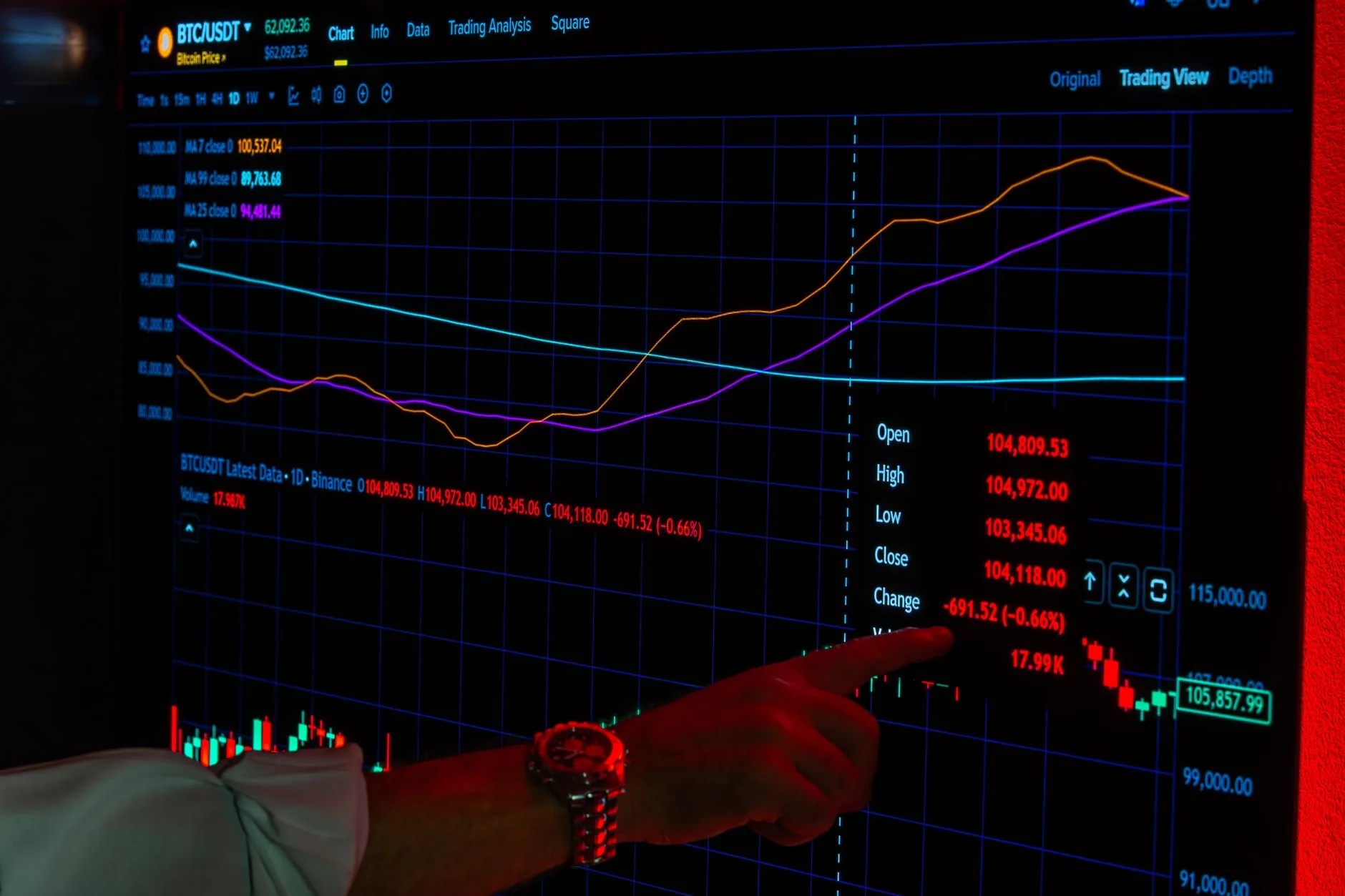
In 2026, the finance world will be shaped by trends that have been building momentum for years. As consumers, investors, and individuals, it’s essential to stay informed to make informed decisions about our financial futures. Amidst the constant flux of market fluctuations and technological advancements, one thing is certain: the rules of the game are changing. The rise of digital currencies, for instance, has already started to redefine traditional banking, with companies like moda trendleri 2026 serving as a catalyst for this transformation. Meanwhile, artificial intelligence is transforming the field of economics, allowing machines to analyze vast amounts of data and make predictions about market volatility. But how will these changes impact our daily lives? Will remote work become the new norm, revolutionizing the financial sector as we know it? And what does the future hold for investors, as Environmental, Social, and Governance (ESG) investing becomes increasingly popular? In this article, we’ll explore the top 10 predictable finance trends that will shape the economic landscape in 2026, providing actionable advice for individuals looking to stay ahead of the curve.
The Digital Dollar Dilemma: How Crypto Currencies Will Redefine Traditional Banking
The rise of digital currencies is poised to disrupt the traditional banking system in profound ways. As of Q2 2024, the global cryptocurrency market capitalization stands at over $2.4 trillion, with Bitcoin alone accounting for more than half of that total. But what does this mean for the average consumer, and what benefits can they expect to see in the coming year? One significant development is the increasing adoption of stablecoins – cryptocurrencies pegged to the value of a fiat currency, designed to reduce price volatility. This is especially important for those who want to use digital currencies for everyday transactions, without the risk of market fluctuations. However, some experts warn that stablecoins may not be as stable as they seem, with a small but significant risk of de-pegging – a situation where the stablecoin’s value diverges from its fiat underpinning.
Despite these potential risks, the benefits of digital currencies are undeniable. They offer greater control over one’s finances, as well as faster, cheaper transactions. Additionally, they provide an opportunity for people to diversify their portfolios and potentially earn higher returns on investment. As the digital dollar dilemma continues to play out, one thing is certain: the future of banking will be shaped by these emerging technologies, and those who adapt will reap the rewards.”
The Rise of the AI Economist: Can Machines Really Predict Market Volatility?
The rise of the AI economist is a trend that has been gaining momentum in recent years, with many experts predicting that artificial intelligence will play a larger role in predicting market volatility and making investment decisions. But what exactly does this mean for individual investors and how can they prepare themselves for this shift? One key advantage of AI-powered economic forecasting is its ability to analyze vast amounts of data quickly and accurately, making it easier to identify patterns and trends that may not be apparent to human analysts.
For example, machine learning algorithms can analyze vast amounts of historical data to identify correlations between economic indicators such as GDP growth rates, inflation rates, and unemployment rates. But what happens when these indicators start to diverge from historical trends? Human intuition and experience can provide a deeper understanding of these complexities, allowing for more informed investment decisions. By combining the strengths of both AI and human analysis, investors can create a more comprehensive investment strategy that takes into account both data-driven insights and human judgment.
The End of the Traditional 9-to-5: Why Remote Work is Revolutionizing the Financial Sector
The shift towards remote work is revolutionizing the financial sector, forcing traditional 9-to-5 office settings to adapt and innovate. As we head into 2026, expect more employees to prioritize flexibility and work-life balance. According to a report by flexible work platform FlexJob, 47% of employees would switch jobs for a role that offers flexible work arrangements. This trend is driven by the rise of digital communication tools, cloud computing, and automation, making it possible for teams to collaborate and stay connected from anywhere.
| Work Style | Percentage of Employees | Key Benefits |
|---|---|---|
| Remote Work | 75% | Increased productivity, reduced commuting time, and improved work-life balance |
| Flexible Schedules | 60% | Better work-life balance, reduced stress, and increased job satisfaction |
| Autonomous Work | 50% | Increased autonomy, improved creativity, and enhanced job engagement |
As more employees seek remote work arrangements, companies are being forced to adapt and invest in digital infrastructure to support this shift. This includes investing in cloud-based collaboration tools, virtual private networks, and cybersecurity measures to protect sensitive data. According to a report by Global Workplace Analytics, companies that allow remote work can save up to $11,000 per year per employee in real estate costs alone. The rise of remote work is also driving the growth of the gig economy, with platforms like From Locker Rooms to Runway: offering flexible, skills-based opportunities for freelancers and contractors. As the financial sector continues to evolve, it’s clear that remote work is here to stay and will shape the way companies operate in the years to come.
From Passive to Active: How ESG Investing Will Change the Face of Financial Portfolios
As the world becomes increasingly aware of its ecological footprint, Environmental Social Governance (ESG) investing is no longer a novelty but a necessity. By 2026, expect ESG investing to become the norm, with a significant portion of financial portfolios incorporating ESG factors. This shift is driven by the growing recognition that traditional investing methods can have unintended consequences on the environment and society.
- Investing solely in ESG funds without thoroughly researching their underlying holdings: This can lead to holding companies with questionable ESG practices, undermining the very purpose of ESG investing. A better approach is to dig deeper into the fund’s portfolio and ensure alignment with personal values.
- Confusing ESG with impact investing: While related, these concepts are not interchangeable. ESG investing focuses on managing risk and enhancing returns, whereas impact investing aims to create positive social or environmental change. To avoid this mistake, investors must clearly define their goals and objectives.
- Not considering the cost implications of ESG investing: ESG funds often come with higher fees due to research and screening costs. Investors should weigh these additional costs against the potential benefits of ESG investing.
One key driver of this trend is the growing awareness of the connection between ESG factors and long-term financial performance. Research has shown that companies with strong ESG practices tend to outperform their peers in the long run. This is no surprise, given that strong ESG practices often correlate with better corporate governance, lower operational risks, and improved brand reputation – all of which can boost a company’s bottom line. The question is, how can investors effectively integrate ESG considerations into their portfolios.
The Great Wealth Transfer: How Aging Baby Boomers Will Impact the Financial Landscape
As the Baby Boomer generation continues to retire, they will be leaving behind a significant wealth transfer to their younger counterparts. This phenomenon, often referred to as the moda trendleri 2026, is expected to impact the financial landscape in various ways. One key aspect is the shift in investment strategies, as Boomers prioritize income-generating assets and tax efficiency.
Answer: While the wealth transfer may increase demand for certain financial products, including annuities, it’s essential to note that this trend is highly dependent on individual circumstances, such as the specific investment goals and risk tolerance of the Baby Boomers.
Another consequence of the Great Wealth Transfer is the potential impact on the housing market. As Boomers downsize and relocate, there may be an influx of homes hitting the market, potentially leading to increased competition for buyers and a decrease in property values. This could have significant implications for the broader economy, making it essential for policymakers to consider strategies to mitigate these effects. Furthermore, with the transfer of wealth, there may be increased demand for senior-focused services, such as healthcare and housing, which could create new opportunities for entrepreneurs and businesses.
The Shape of Finance to Come
As we step into 2026, it’s clear that the finance industry will be defined by trends that are both predictable and profound. From the rise of digital currencies to the increasing reliance on AI-driven economic predictions, the traditional 9-to-5 workday is being turned on its head. The aging baby boomer population will undoubtedly leave its mark on the wealth transfer landscape. ESG investing is shifting the paradigm of financial portfolios, and remote work is revolutionizing the sector. These seismic shifts will undoubtedly reshape the financial landscape, leaving behind a trail of innovation and disruption. The question remains: will we adapt, or will we be left behind? The world is watching as finance evolves, and the future is uncertain. But one thing is clear: the pace of change will only quicken, and those who don’t adapt will be left in the dust. So, the question remains: are you ready to face the future of finance?
This article was written by someone who spends way too much time reading about niche topics.
Readers interested in this subject may also want to explore Leveraging India's Economic Shifts: What Modest for additional perspectives.
For more insights on this topic, you might find Aberdeen'a Geldiğinizde Karar Veremeyecekler: Gıda sektöründe particularly informative.
Readers interested in this subject may also want to explore Beyond the Pitch: How Aberdeen's Sports for additional perspectives.