

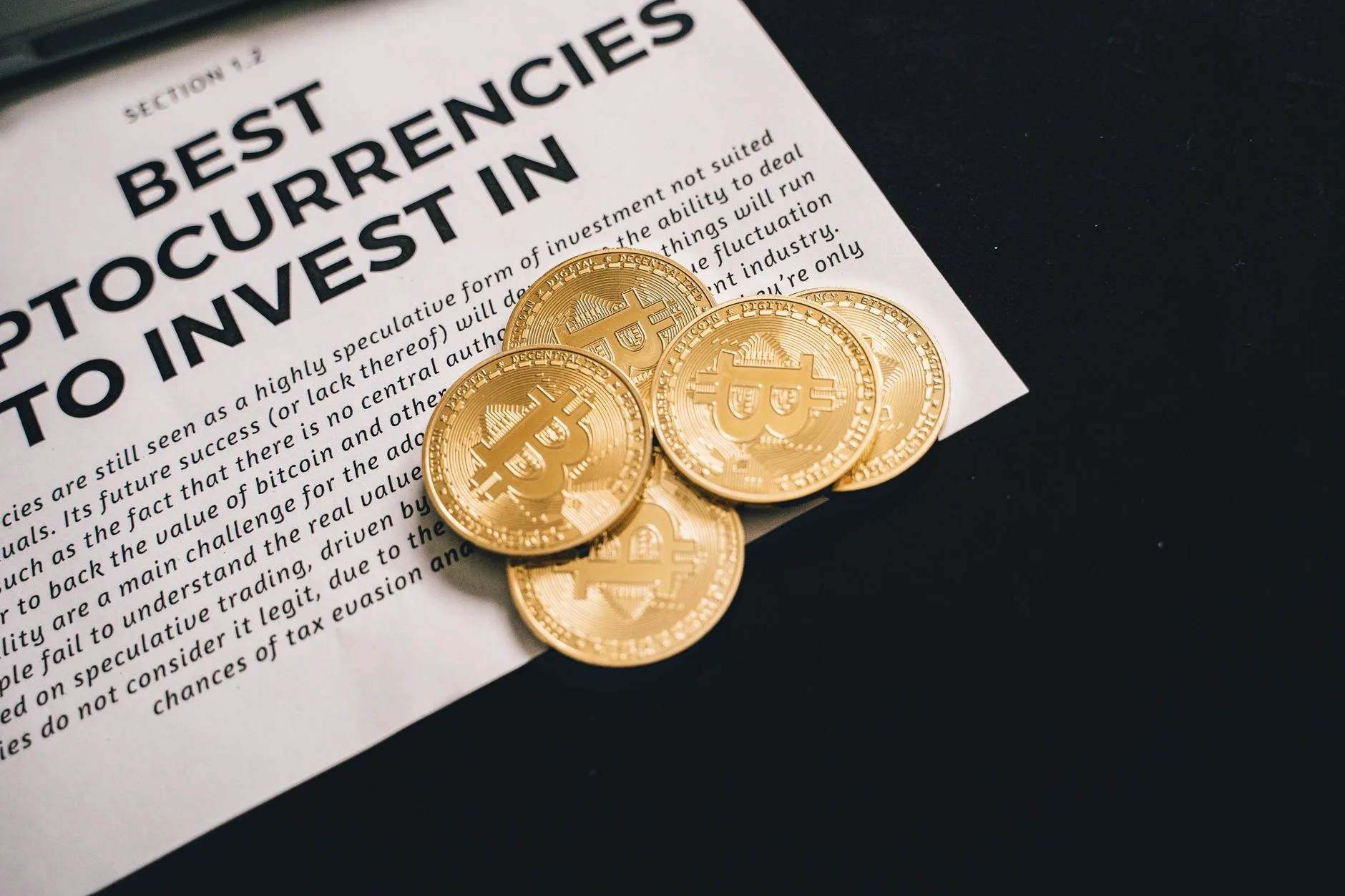
Investing in cryptocurrency can be a rewarding experience, but it requires caution and knowledge to do it safely. If you’re looking to invest in cryptocurrency without losing your shirt, you’ve come to the right place. In this article, we’ll cover the essential safety tips and best practices to help you navigate the world of cryptocurrency investing.
For beginners, the most critical aspect of cryptocurrency investing is understanding the risks involved. Cryptocurrency markets can be highly volatile, leading to significant losses if not managed properly. Common security threats include hacking, phishing, and wallet compromise. By being aware of these risks, you can take the necessary steps to protect your digital assets and make informed investment decisions.
The article will also cover how to choose a reputable exchange, protect your digital assets, and stay up-to-date with cryptocurrency laws and regulations. We’ll also provide guidance on how to identify and avoid cryptocurrency scams and frauds, and offer advanced investing strategies to help you diversify your portfolio.
Whether you’re a seasoned investor or just starting out, this article aims to provide you with the knowledge and confidence to invest in cryptocurrency safely and effectively. So, let’s get started on this journey to cryptocurrency investing success!
Understanding the Risks
The Volatility of Cryptocurrency Markets
The Volatility of Cryptocurrency Markets
Cryptocurrency markets can be highly volatile, leading to significant losses if not managed properly.
This volatility can be illustrated by the example of Bitcoin, which experienced a 45% decline in value within a single day in March 2019.
Such sudden price fluctuations can result in enormous losses for investors, emphasizing the importance of understanding and managing risk.
Avoid making impulsive decisions based on short-term market movements by staying informed about the market and its trends, and consider diversifying your portfolio to minimize exposure to potential losses.
For more information on understanding market trends and managing risk, visit hukuksiteleri.com.
Common Security Threats
Cryptocurrency markets are susceptible to common security threats that can compromise your digital assets.
Phishing scams, for instance, involve hackers sending fake emails or messages that trick you into revealing sensitive information, such as your login credentials or private keys.
Hacking, on the other hand, refers to unauthorized access to your cryptocurrency wallet or exchange account, which can result in the theft of your funds.
Wallet compromise occurs when a hacker gains control of your cryptocurrency wallet, either through phishing or hacking.
To protect yourself from these threats, make sure to use two-factor authentication and enable wallet encryption, which can provide an additional layer of security.
Here are some common security threats to watch out for:
- Phishing scams
- Hacking
- Wallet compromise
Choosing a Reputable Exchange
Factors to Consider
Factors to Consider
When evaluating a cryptocurrency exchange, it’s essential to consider several key factors to ensure you’re using a reputable and secure platform.
First, look for exchanges with robust security measures, such as two-factor authentication and cold storage. Cold storage involves storing the majority of your cryptocurrency in an offline wallet, which is a significant deterrent to hackers.
Additionally, research the exchange’s reputation by reading reviews and checking their ratings on reputable websites. Look for red flags such as multiple complaints about security breaches or poor customer service.
- Check if the exchange has a clear and transparent fee structure.
- Verify that the exchange is registered with relevant regulatory bodies.
- Look for exchanges with a strong track record of customer support and responsiveness to issues.
Researching Exchange Reputation
To research an exchange’s reputation, start by reading reviews from other users, which can provide valuable insights into the exchange’s strengths and weaknesses.
For example, look up reviews on websites like Trustpilot or Sitejabber, where users can leave feedback about their experiences with the exchange.
Also, check the exchange’s ratings on reputable websites, such as CoinMarketCap or CryptoSlate, which provide detailed information about each exchange.
Be cautious of fake reviews, and pay attention to patterns of negative or positive feedback.
Look for red flags such as poor customer support, lack of transparency, or a history of security breaches.
Additionally, research the exchange’s ownership and management team, as well as their business practices and regulatory compliance.
Check if the exchange is registered with relevant regulatory bodies and if they have a clear and transparent fee structure.
Here are some key questions to ask when researching an exchange’s reputation:
- What is the exchange’s history and background?
- What are the exchange’s security measures, and are they transparent about their protocols?
- How does the exchange handle customer support and disputes?
- Are there any regulatory issues or concerns?
By answering these questions and doing your research, you can make an informed decision about which exchange to use and ensure a safer experience for your cryptocurrency investments.
Protecting Your Digital Assets
Using Strong Passwords and 2FA
Protecting your digital assets is crucial when investing in cryptocurrency. Using strong passwords and enabling two-factor authentication can help secure your account. A strong password should be at least 12 characters long and include a mix of uppercase and lowercase letters, numbers, and special characters. For example, a password like ‘Giraffe#LemonTree1997’ is stronger than a password like ‘mywallet123.’
Two-factor authentication (2FA) adds an extra layer of security to your account. When you enable 2FA, you’ll need to provide a second form of verification, such as a code sent to your phone or a biometric scan, in addition to your password. This makes it much harder for hackers to gain access to your account.
- Use a password manager to generate and store unique, complex passwords.
- Enable two-factor authentication (2FA) on your account to add an extra layer of security.
- Use a hardware wallet to store your cryptocurrency, which offers an additional layer of security.
- Keep your software, including your operating system and browser, up-to-date to prevent vulnerabilities.
By following these steps, you can significantly reduce the risk of your account being compromised and protect your digital assets.
Storing Your Cryptocurrency
Storing Your Cryptocurrency
When it comes to storing your cryptocurrency, security should be your top priority. A hardware wallet is a great option to consider, as it offers an additional layer of security compared to software wallets. For example, a hardware wallet like Ledger or Trezor stores your private keys offline, making it much more difficult for hackers to access your funds.
Hardware wallets also provide a secure way to manage multiple cryptocurrencies, allowing you to easily switch between them and make transactions. Another option is to use a cold storage solution, which involves storing your cryptocurrency offline on a physical device or a paper wallet. This approach is even more secure, but it can be less convenient to use.
Regardless of which option you choose, it’s essential to keep your private keys safe and secure. You should never store them on an unsecured device or in a place where they could be easily accessed by others.
Options for Storing Your Cryptocurrency:
- Hardware wallet (e.g. Ledger, Trezor)
- Cold storage solution (e.g. paper wallet, offline device)
- Software wallet (less secure, but convenient)
Cryptocurrency Law and Regulations
Regulatory Environment
The regulatory environment for cryptocurrency is complex and constantly evolving. It’s essential to understand the laws and regulations governing cryptocurrency in your region, as they can change rapidly. For example, in the United States, the Internal Revenue Service (IRS) considers cryptocurrency as property, subject to capital gains tax. In contrast, countries like Japan and Singapore have implemented regulations that recognize cryptocurrency as a legitimate form of currency.
Cryptocurrency gains are subject to tax, so it’s crucial to keep accurate records and consult with a tax professional. The tax implications of cryptocurrency investing can be complex, and it’s essential to stay informed about the tax laws in your region.
It’s also essential to understand the regulatory environment in the country or region where you’re investing in cryptocurrency. This can include laws and regulations related to cryptocurrency trading, taxation, and exchange operations.
Tax Implications
Cryptocurrency law and regulations vary by country and region, so it’s essential to understand the regulatory environment to avoid any potential issues. For example, in the United States, the Internal Revenue Service (IRS) considers cryptocurrency to be property, not currency, which means that gains from selling cryptocurrency are subject to capital gains tax. This is a crucial distinction, as it affects how you report and pay taxes on your cryptocurrency transactions.
It’s not only the US that has specific regulations; countries like China and South Korea have implemented strict laws and restrictions on cryptocurrency trading, while others like Japan and Singapore have more lenient regulations. To stay informed, monitor local news and government websites for updates on cryptocurrency laws and regulations in your area.
To ensure you’re meeting your tax obligations, consider the following steps:
- Keep accurate records of all cryptocurrency transactions, including dates, amounts, and exchange rates.
- Consult with a tax professional to understand how the laws and regulations in your area apply to your specific situation.
- Be prepared to report cryptocurrency gains as capital gains on your tax return, using Form 8949 in the US.
Cryptocurrency Scams and Frauds
Recognizing Scams
When it comes to investing in cryptocurrency, recognizing scams is crucial to avoiding significant financial losses. One of the most common red flags is unsolicited investment opportunities that promise unusually high returns or guaranteed investments.
Be wary of messages or emails claiming you’ve won a cryptocurrency lottery or that a prominent investor is looking to offload a large amount of cryptocurrency at an unusually low price.
Scammers often use social engineering tactics to gain your trust, so it’s essential to verify any investment opportunity through reputable sources before committing any funds.
Warning: Never invest in a scheme that seems too good to be true, as it usually is.
Before investing, research the company or individual promoting the opportunity, and check for any red flags such as poor online reviews or a lack of transparency about their business practices.
- Be cautious of investments that require you to pay fees or commissions before receiving any returns.
- Avoid investments that promise unusually high returns, often with little to no risk involved.
- Verify the authenticity of any investment opportunity by contacting the company or individual directly.
Protecting Yourself
When it comes to protecting yourself from cryptocurrency scams and frauds, one of the most effective strategies is to be extremely cautious of investments that promise unusually high returns or guarantee investments.
This is because most legitimate investments come with some level of risk, and it’s unrealistic to expect returns that are significantly higher than the market average.
For example, if someone promises you a 100% return on your investment within a short period of time, it’s likely a scam.
To avoid falling victim to such scams, always research the company or individual offering the investment and look for red flags such as poor online reviews, lack of transparency, or unregistered trading platforms.
If you’re unsure about any investment opportunity, it’s always best to err on the side of caution and avoid it altogether.
Additionally, be wary of investments that require you to pay a significant amount of money upfront or to invest in a new, untested cryptocurrency.
Here are some common characteristics of cryptocurrency scams:
- Unusually high returns
- Lack of transparency
- Unregistered trading platforms
- Poor online reviews
By being aware of these red flags, you can significantly reduce your risk of falling victim to a cryptocurrency scam or fraud.
Advanced Investing Strategies
Diversification and Risk Management
Diversification and Risk Management
To manage risks effectively, it’s essential to diversify your portfolio by investing in a variety of cryptocurrencies and asset classes.
- Step 1: Research and select a range of cryptocurrencies that align with your investment goals.
- Step 2: Allocate your investment portfolio across different asset classes, such as mining, staking, or lending.
- Step 3: Regularly review and rebalance your portfolio to maintain an optimal asset allocation.
- Step 4: Consider using a dollar-cost averaging strategy to reduce the impact of market volatility.
For instance, if you invest solely in a single cryptocurrency, you’re exposing yourself to a high degree of risk. By spreading your investment across multiple assets, you can reduce your exposure to market fluctuations and potential losses.
This approach not only helps you manage risk but also provides an opportunity to capitalize on potential gains from various assets.
Be sure to stay informed about market trends and adjust your portfolio accordingly to maximize your returns while minimizing risk.
Related reading: Choosing the Right Attorney Online
Cryptocurrency Trading
Cryptocurrency Trading: Mastering Advanced Strategies
To maximize your cryptocurrency returns, it’s essential to learn about trading strategies, such as technical analysis and market order types.
Technical analysis involves studying charts and patterns to predict future price movements, helping you make informed trading decisions.
For instance, if you’re looking to buy Bitcoin, you can use a moving average crossover strategy to identify trends and potential buy/sell opportunities.
Market order types, on the other hand, allow you to execute trades based on specific conditions, such as the current market price or a specific time frame.
Understanding these strategies can help you make more informed trading decisions and increase your chances of success.
Here are some key technical analysis concepts to get you started:
- Support and resistance levels
- Trend lines and channels
- Moving averages and crossovers
By mastering these concepts, you’ll be better equipped to navigate the cryptocurrency markets and make more informed trading decisions.
Cryptocurrency Security Best Practices
Using a VPN
Using a VPN is a crucial security measure when trading or investing in cryptocurrency, as it encrypts your internet traffic and protects you from hackers and snoopers. This is especially important when using public Wi-Fi networks, as they can be easily exploited by malicious actors. A VPN creates a secure tunnel between your device and the internet, shielding your data from interception and eavesdropping.
When selecting a VPN, consider the following factors:
- server locations and availability
- connection speeds and stability
- encryption protocols and key exchange methods
Keeping Your Software Up-to-Date
Keeping your software up-to-date is a crucial aspect of maintaining the security of your digital assets. This includes your operating system, browser, and any other software you use for cryptocurrency transactions. If your software is outdated, you may be leaving yourself vulnerable to security threats, such as viruses, malware, and other cyber attacks.
For example, if you’re using an outdated version of your operating system, you may be missing critical security patches that could protect you from known vulnerabilities. Similarly, an outdated browser may not support the latest security features, leaving you exposed to phishing attacks and other online threats.
Make sure to regularly update your software, especially when a new version is released or a security patch is issued. This will help prevent vulnerabilities and keep your digital assets safe.
Here are some steps to follow:
- Enable automatic updates for your operating system and browser.
- Regularly check for and install security patches and updates.
- Use a reliable antivirus software to scan for malware and viruses.
Cryptocurrency Regulation and İzmir Hukuk Bürosu
Understanding Legal Protections
Understanding Legal Protections
Cryptocurrency regulation can change rapidly, and it’s essential to stay informed and understand your legal protections. If you’re unsure about any aspect of cryptocurrency investing, consider seeking advice from a qualified attorney or financial advisor.
As laws and regulations surrounding cryptocurrency continue to evolve, it’s crucial to stay up-to-date on the current legal framework. For instance, in Turkey, the Financial Crimes Investigation Board (MASAK) and the Central Bank of the Republic of Turkey oversee cryptocurrency-related activities. Familiarizing yourself with local regulations can save you from potential fines or penalties.
| Regulatory Body | Jurisdiction | Key Responsibilities |
|---|---|---|
| Financial Crimes Investigation Board (MASAK) | Turkey | Oversees cryptocurrency-related financial crimes and money laundering activities |
| Central Bank of the Republic of Turkey | Turkey | Regulates cryptocurrency transactions and exchanges |
| Securities and Exchange Commission (SEC) | USA | Regulates initial coin offerings (ICOs) and cryptocurrency trading |
Familiarize yourself with the regulatory environment in your region before making any investment decisions.
Seeking Professional Advice
Cryptocurrency regulation can change rapidly, so it’s essential to stay informed and understand your legal protections. This is where seeking professional advice comes in. If you’re unsure about any aspect of cryptocurrency investing, consider consulting a qualified attorney or financial advisor who is familiar with cryptocurrency laws and regulations.
When navigating the complexities of cryptocurrency regulations, it’s better to err on the side of caution. A qualified attorney or financial advisor can help you understand the specific laws and regulations in your jurisdiction and provide guidance on how to comply with them.
For instance, if you’re planning to invest in a cryptocurrency project, an attorney can review the project’s whitepaper and ensure that it complies with local regulations. They can also help you set up a trust or foundation to hold your cryptocurrency assets, providing an additional layer of protection.
Additionally, a financial advisor can help you understand the tax implications of your cryptocurrency investments and ensure that you’re taking advantage of available tax deductions and credits. By seeking professional advice, you can ensure that your cryptocurrency investments are secure and compliant with the law.
Some key questions to ask a qualified attorney or financial advisor include:
- What are the current regulations and laws governing cryptocurrency in my jurisdiction?
- How can I ensure that my cryptocurrency investments comply with local regulations?
- What are the tax implications of my cryptocurrency investments, and how can I minimize my tax liability?
Frequently asked questions (in English)
Can I invest in cryptocurrency with a low budget?
You can invest in cryptocurrency with a low budget, but start with small, manageable amounts to avoid significant losses. Consider dollar-cost averaging, investing a fixed amount regularly to reduce risk.
How do I choose the right cryptocurrency to invest in?
Choose a well-established, widely-used cryptocurrency with a strong community and transparent development team. Look for projects with clear goals, reliable documentation, and regular updates.
What are the tax implications of cryptocurrency investing?
Cryptocurrency investments are subject to varying tax laws, which can be complex and change frequently. Keep detailed records of transactions and consult a tax professional to ensure compliance with local tax regulations.
How do I protect my cryptocurrency from hacking and theft?
Use robust, reputable exchanges, enable two-factor authentication, and keep software and passwords up-to-date to prevent hacking. Consider using a hardware wallet for offline storage, which is less vulnerable to cyber threats.
Can I invest in cryptocurrency anonymously?
While anonymity is possible, most reputable exchanges require identifying information for security and regulatory compliance. Anonymous investments may be associated with higher risk, including the possibility of being targeted by scammers or being shut down by authorities.
Protect Your Investment and Stay Informed
As you navigate the world of cryptocurrency investing, it’s essential to prioritize caution and stay informed about the ever-changing regulatory landscape. This means regularly checking for updates on laws and regulations in your region and seeking advice from a qualified attorney or financial advisor if you’re unsure about any aspect of cryptocurrency investing. In particular, be aware of your legal protections and understand how they may impact your investment strategy. Stay up-to-date with market trends and news to make informed decisions about your portfolio.
Before making any significant investment decisions, take a step back and assess your understanding of the risks involved. Consider consulting with a financial advisor or tax professional to ensure you’re making the most tax-efficient decisions. By being diligent and proactive, you’ll be better equipped to navigate the complex world of cryptocurrency investing and make informed choices that align with your financial goals.
For more insights on this topic, you might find Kripto Para Birimi ile Avukat Web particularly informative.
For a deeper understanding of this topic, Law Firm Website Costs: 2025 Pricing offers valuable insights worth exploring.