

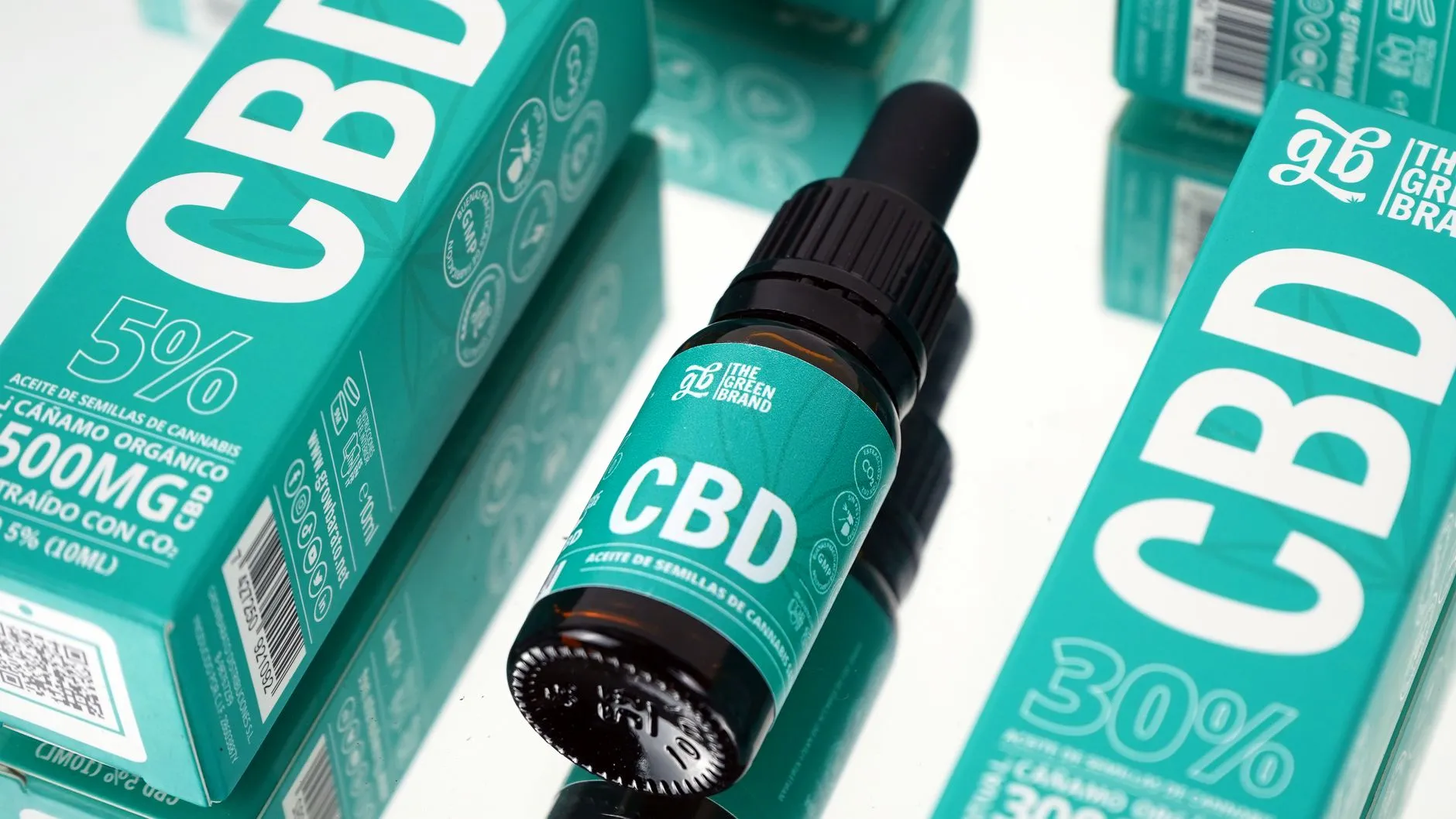
Have you ever audited your personal vanity budget only to realize you are pouring thousands down the drain on fleeting cosmetic trends? Smart investors know that true value lies in long-term asset maintenance—and your skin is no exception. While invasive dermatological procedures can easily eat up a significant chunk of your annual capital, cannabidiol (CBD) has quietly emerged as a surprisingly cost-effective hedge against premature skin aging.
The global wellness market is experiencing a massive capital shift toward plant-based therapeutics, driven by savvy consumers looking to maximize both biological and financial returns. Chronic stress—a notorious yield-killer for portfolio growth and skin elasticity alike—frequently drives individuals toward seeking the best CBD oil for anxiety relief 2026 to protect their mental balance and personal finances simultaneously. By reallocating a small portion of your monthly wellness budget into high-grade cannabinoid formulations, you effectively streamline your daily skincare routine while mitigating the expensive long-term damage caused by inflammation. Think of this approach as defensive portfolio management for your face: an intelligent, budget-friendly strategy that delivers compounding dividends in cellular health, skin vitality, and overall aesthetic longevity over time.
CBD: The Unsung Hero of Skin Revitalization
CBD, short for cannabidiol, has long been touted for its potential therapeutic benefits, but its effects on skin revitalization have only recently come to light. This plant-based compound, found in cannabis and hemp plants, has anti-inflammatory and antioxidant properties that can help to soothe and protect the skin. But how does it work its magic?
While some may be skeptical about the benefits of CBD for skin revitalization, the science is clear: this natural compound can help to reduce inflammation, promote collagen production, and even out skin tone. By harnessing the power of CBD, individuals can enjoy smoother, more radiant skin without relying on harsh chemicals or invasive treatments.
Of course, as with any new skincare ingredient, there are potential risks and trade-offs to consider. Some users may experience skin irritation or allergic reactions to CBD products, so it’s essential to patch test and choose high-quality, reputable brands.
From Acne to Aging: How CBD Tackles Top Skin Concerns
From Acne to Aging: How CBD Tackles Top Skin Concerns
CBD has been touted as a miracle worker for the skin, and for good reason. This non-psychoactive compound found in the cannabis plant has anti-inflammatory and antioxidant properties that can help soothe and protect the skin. But how does it tackle the top skin concerns, such as acne, aging, and hyperpigmentation?
One of the most significant benefits of CBD for acne is its ability to reduce inflammation. CBD has been shown to inhibit the production of pro-inflammatory cytokines, which can contribute to the development of acne. By reducing inflammation, CBD can help to prevent scarring and promote a healthier, more balanced complexion.
Unlocking the Science: How CBD Interacts with Skin Cells
Unlocking the Science: How CBD Interacts with Skin Cells. The miracle of CBD for skin revitalization tips Sağlık Dünyasında Yeni Bir Umut: is rooted in the intricate dance between CBD and skin cells. This delicate harmony is made possible by CBD’s ability to interact with the body’s endocannabinoid system, which plays a crucial role in regulating various physiological processes, including skin health. As a result, CBD has been shown to have anti-inflammatory properties, promote collagen production, and even protect the skin from environmental stressors.
Answer: While CBD is generally considered safe, high doses or prolonged use may cause skin irritation, allergic reactions, or interact with other medications. As with any new skincare product, it’s essential to start with a small patch test and gradually increase usage to avoid any adverse effects.
Research suggests that CBD’s interaction with skin cells is mediated by its ability to bind to CB2 receptors, which are responsible for regulating inflammation and immune responses. This binding process triggers a cascade of downstream effects that ultimately lead to improved skin health. In particular, CBD has been shown to inhibit the production of pro-inflammatory cytokines, such as IL-6 and TNF-alpha, which are often elevated in conditions like acne, psoriasis, and atopic dermatitis.
Furthermore, CBD’s anti-aging effects are thought to be mediated by its ability to stimulate the production of hyaluronic acid, a key component of the skin’s extracellular matrix. This process helps to maintain skin elasticity, reduce fine lines and wrinkles, and improve overall skin texture. By promoting the natural production of these vital molecules, CBD provides a holistic approach to skin revitalization, addressing multiple aspects of skin health simultaneously.
The Beauty of Balance: CBD's Role in Regulating Skin's Natural Processes
The natural balance of our skin’s processes is a delicate one, involving a complex interplay of hormones, neurotransmitters, and other factors. While it’s often misunderstood that CBD works by somehow ‘regulating’ or ‘balancing’ these processes, the reality is that it plays a more nuanced role. By interacting with the body’s endocannabinoid system, CBD can help to modulate inflammation, promote healthy skin cell growth, and even influence the gut-skin axis.
For example, research has shown that CBD can inhibit the production of sebum, the oily substance that clogs pores and leads to acne. This is because CBD interacts with the CB2 receptors in the skin, which play a key role in regulating inflammation and skin cell growth. As a result, CBD products that contain this compound can be effective in reducing the appearance of acne and promoting clearer, healthier-looking skin.
Revitalized, Not Revamped: The Long-Term Effects of CBD on Youthful Skin
As the study of CBD’s effects on skin continues to unfold, one undeniable benefit is its capacity to provide long-term revitalization, not just short-term fixes. While some might view CBD as a quick solution for blemishes or wrinkles, its sustained impact on skin health is multifaceted and far more profound. In fact, research suggests that CBD can improve skin elasticity and hydration by influencing the production of skin lipids and ceramides, which are essential for maintaining healthy skin.
- Step 1: Gradually incorporate CBD-infused skincare products into your daily routine, allowing your skin to adapt to its unique properties.
- Step 2: Mix CBD into your moisturizer or oil blend to enhance its rejuvenating and hydrating effects.
- Step 3: Be patient, as the full benefits of CBD may take several weeks to manifest.
- Step 4: Consider combining CBD with other anti-aging treatments, such as chemical peels or microdermabrasion, to boost its efficacy.
The key is to recognize that CBD is not a replacement for traditional skincare methods but rather a complementary tool in your arsenal. For instance, CBD for skin revitalization tips often emphasize the importance of sun protection, as UV rays can undermine the benefits of CBD.
Unlocking the Power of CBD for Skin Revitalization
As we’ve explored the diverse ways CBD interacts with skin cells and regulates natural processes, one thing becomes clear: this plant-based compound is a game-changer for rejuvenating youthful skin. By tackling acne, inflammation, and aging, CBD offers a holistic approach to skin revitalization. But its impact goes beyond just surface-level improvements – it has the potential to reshape our understanding of skin health and the aging process. The science behind CBD’s effects is far from fully understood, and researchers are eager to uncover its full potential. As we continue to learn more, one thing is certain: CBD has proven itself to be an unlikely hero in the fight against skin aging. So, what does the future hold for CBD in the world of skin care? Will we see a new generation of products harnessing its power? The excitement is palpable – and we can’t wait to see the results.
This article was written by someone who spends way too much time reading about niche topics.