

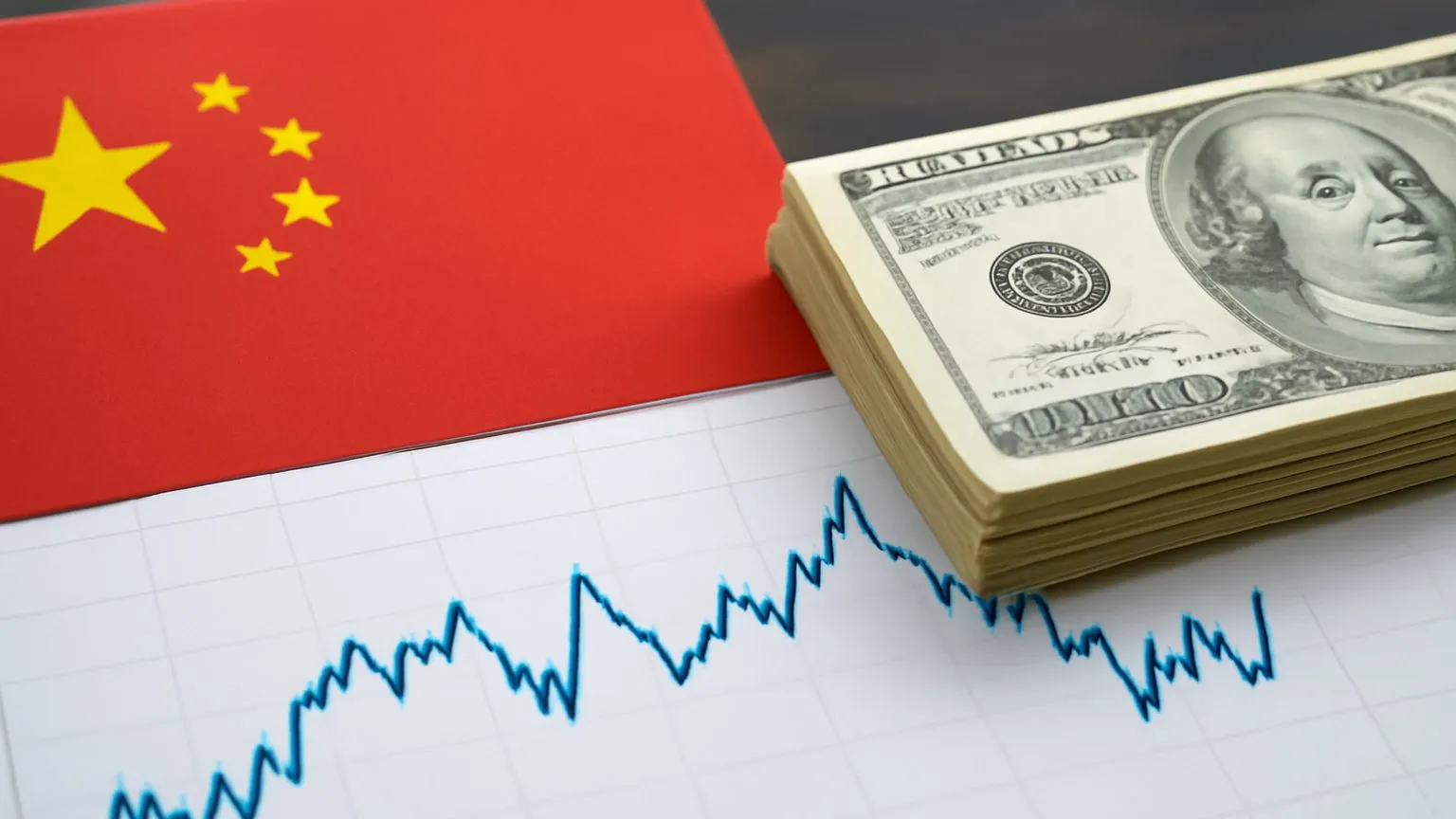
When a state‑owned lender in Shanghai missed a payment last month, the ripple was felt far beyond the Great Wall. Traders in London, hedge funds in Singapore, and even a small‑cap crypto fund in Buenos Aires paused their screens, wondering if the shock would turn into a cascade. The episode underscores a growing reality: China’s financial missteps are no longer a regional footnote but a global stress test for credit markets.
Investors now scramble to reassess exposure—tightening loan covenants, diversifying asset classes, and hedging currency risk where possible. For the everyday saver, the lesson is simple: keep a buffer, avoid over‑reliance on any single market’s debt instruments, and stay alert to policy shifts that can tighten borrowing costs overnight. A quick scan of the latest news updates from China today can reveal early warning signs before they hit your portfolio.
Meanwhile, the phrase “crime news in China latest reports” has begun to pop up in forums discussing shadow banking scandals, a reminder that regulatory crackdowns can accelerate credit tightening. This introduction sets the stage for a deep dive into how defaults, domino effects on emerging borrowers, Western banks’ recalibrations, investor sentiment swings, and policy responses intertwine in today’s volatile loan landscape.
When Chinese Defaults Spill Over: The First Shock to Global Credit Lines
When a major Chinese property developer or state‑linked bank fails to meet its obligations, the shock is felt far beyond Beijing’s borders. International lenders that have packaged Chinese debt into syndicated loans suddenly see their risk‑adjusted returns wobble, prompting a cascade of repricing across emerging‑market credit. Investors in U.S. Treasury funds, European banks, and even crypto‑backed lending platforms notice tighter spreads as they scramble to reassess exposure. The ripple starts with a modest uptick in borrowing costs for companies that source capital from Chinese banks, then snowballs into higher yields on sovereign bonds throughout Asia.
For individual investors, the lesson is clear: diversify away from any one country’s credit exposure and keep a pulse on macro‑risk indicators. A practical step is to allocate a modest portion of a portfolio to short‑duration, high‑quality bonds that can absorb shocks without eroding principal. Meanwhile, crypto‑savvy traders might consider stablecoins backed by diversified baskets of sovereign debt rather than those tied to a single economy. Staying alert to updates—such as the latest headlines in crime news in China latest reports—helps prevent costly missteps when the next default reverberates through global loan markets.
The Domino Effect: How Emerging Market Borrowers Feel the Pinch
The ripple effects of China’s financial scandals have far-reaching consequences, particularly for emerging market borrowers who rely on global loan markets for funding. These borrowers often have limited access to local capital and may turn to international lenders at unfavorable terms. As a result, a single financial scandal in China can set off a chain reaction, causing credit ratings to plummet and costs to rise for borrowers from these regions.
The consequences are twofold. Firstly, borrowers from emerging markets may face increased borrowing costs due to the higher perceived risk associated with lending to their countries. Secondly, the reduced availability of credit in global loan markets can lead to a decrease in economic activity, as businesses and individuals struggle to access the capital they need to operate.
Western Banks’ Tightening Grip: Rethinking Exposure to Chinese Debt
Western banks are tightening their grip on Chinese sovereign and corporate bonds, a shift driven by a cascade of defaults that have rattled confidence across the globe. Credit committees that once championed aggressive exposure are now demanding tighter covenants, higher haircuts, and more frequent stress‑tests. The result? A noticeable dip in new issuance and a premium on secondary‑market purchases, leaving investors to grapple with thinner liquidity and steeper yields.
For portfolio managers, the message is clear: diversification must go beyond geography and include credit quality reassessment. Reducing concentration in high‑yield Chinese assets can shield against sudden price shocks, while reallocating capital to sovereign‑grade issuers or emerging‑market funds with robust risk frameworks may preserve returns. Those looking for a hedge might consider short‑duration instruments or even non‑correlated assets such as certain crypto stablecoins, provided they understand the volatility trade‑off. Meanwhile, staying informed about broader macro trends—crime news in China latest reports—helps investors anticipate regulatory pivots that could further reshape the debt market.
Actionable advice: audit your exposure quarterly, set a hard cap—say 10% of total fixed‑income allocation—to Chinese high‑yield securities, and use stop‑loss orders where appropriate. Pair this with a disciplined cash‑reserve strategy to seize opportunistic buys when spreads normalize. By tightening risk controls now, investors can weather the ripple effects without sacrificing long‑term growth potential.
Investor Sentiment Swings: From Risk-On to Cautious‑On
When the first defaults emerged from Chinese property developers, market participants flipped from a classic risk‑on stance to a markedly more cautious‑on posture. Hedge funds that had been loading up on high‑yield bonds suddenly trimmed exposure, while sovereign wealth funds shifted to shorter‑duration assets, wary of contagion. The swing was palpable: spreads on Asian‑issued high‑grade loans widened by a few hundred basis points in a matter of days, and investors began demanding higher covenants before committing capital. The Intersection of Technology and finance also surfaced as a theme, as firms scrambled to deploy fintech tools to monitor credit risk in real time.
For individual investors, the lesson is clear: diversification and liquidity matter more than ever. Consider bolstering your emergency fund to cover six months of expenses, and keep a modest portion of assets in cash or cash equivalents to seize opportunities when prices correct. Keeping an eye on reputable sources—such as the latest “crime news in China latest reports“—can help you gauge when sentiment is shifting again, allowing you to act before the broader market catches up.
Policy Ripples: Central Banks and Regulators Respond to the Crisis
Central banks across Asia and Europe have been forced to recalibrate their policy levers after the cascade of defaults exposed by China’s financial scandals. The People’s Bank of China tightened liquidity buffers, while the Federal Reserve and the ECB signaled readiness to intervene if cross‑border funding strains spill over into their markets. Investors watch these moves closely, adjusting duration exposure and hedging currency risk to preserve portfolio stability.
For retail investors, the takeaway is to diversify away from over‑reliance on any single sovereign credit line. Consider allocating a modest slice of your portfolio to short‑duration bond funds or high‑quality corporate debt that isn’t heavily exposed to Chinese issuers. Keeping an eye on crime news in China latest reports can provide early warning signals, while also reviewing broader risk factors such as the global impact of video industry, which often mirrors consumer sentiment trends that affect credit markets.
Finally, maintain a cash reserve equal to at least three months of expenses. In turbulent times, liquidity is your best defense against sudden margin calls or unexpected rate hikes. A well‑balanced mix of cash, diversified bonds, and low‑correlation assets like commodities or select cryptocurrencies can cushion the blow from future policy ripples.
As the Tides of Chinese Debt Shift
The recent wave of financial scandals in China has sent shockwaves through global loan markets, leaving many to wonder how far-reaching the damage will be. The consequences of Chinese defaults on global credit lines, the struggles of emerging market borrowers, and the response of western banks and regulators have created a complex web of repercussions.
While the situation is far from clear-cut, one thing is certain: the ripple effects of China’s financial scandals will continue to be felt for some time to come. As investors and policymakers grapple with the fallout, they must also confront the underlying causes of these scandals and take steps to prevent them from happening again.
As the global economy continues to evolve, one question remains: will the lessons of China’s financial scandals be enough to stem the tide of similar crises in the future, or will we be forced to confront the next great challenge to global financial stability? Only time will tell.
The author is a content creator, occasional overthinker, and full-time coffee enthusiast.
If you enjoyed this article, we recommend checking out When Breathing Beats Drama: Top Clinics for further reading.
You may also find Geheimen achter slapeloze nachten: Top-klinieken voor helpful as it covers related aspects of this subject.
Readers interested in this subject may also want to explore How Smart Investors Are Capitalizing on for additional perspectives.