

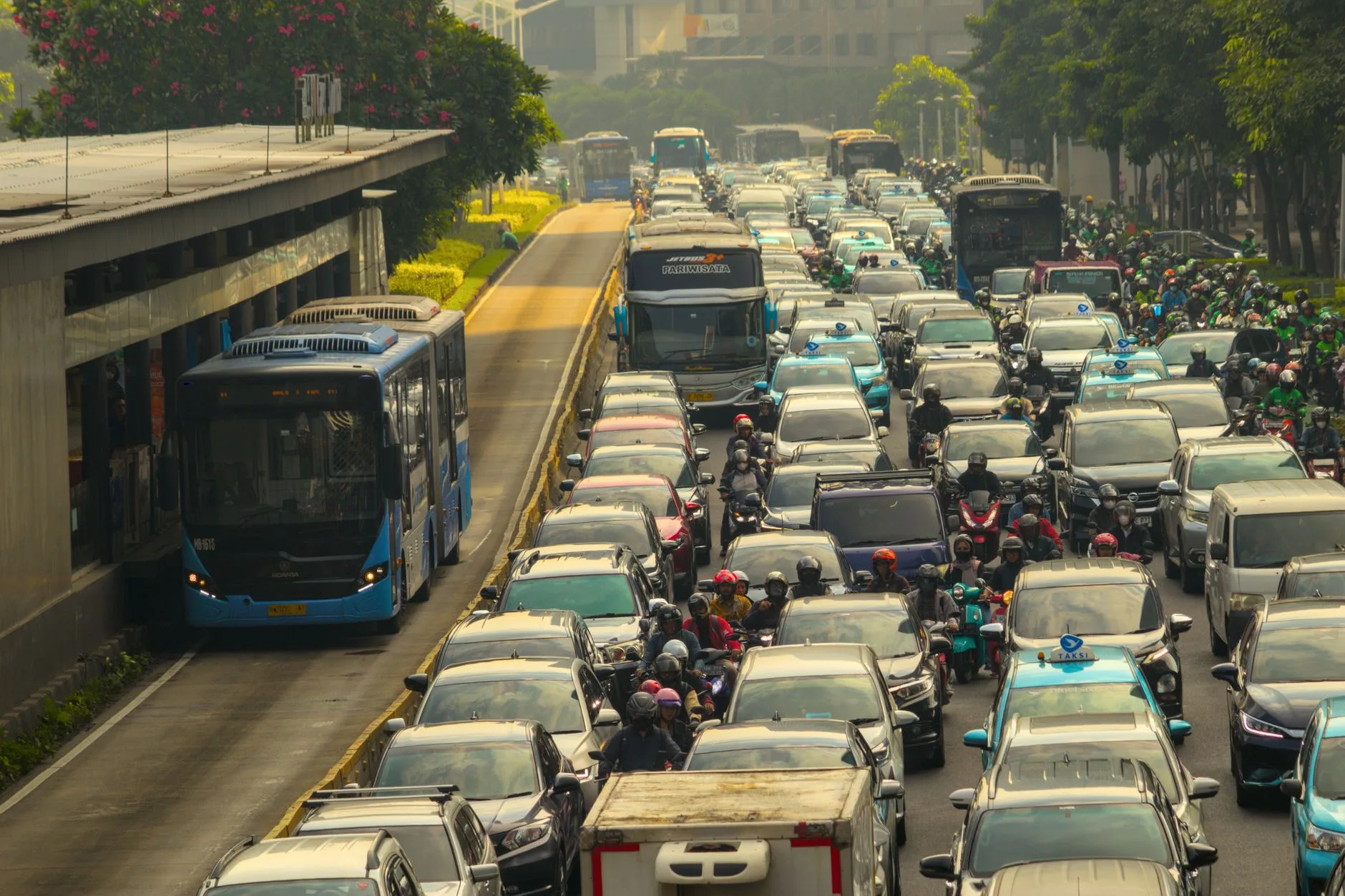
London’s streets are a mess, and it’s not just about the congestion – it’s about the cash. Every minute spent stuck in traffic is a minute you could be earning, a minute you could be spending with your loved ones, or a minute you could be making a difference in the world. The cost of congestion isn’t just measured in frustration; it’s measured in pounds and pence. According to the latest news today headlines (check out the latest news today headlines), the average London commuter spends around 90 hours a year stuck in traffic. That’s 90 hours you could be using to boost your career, 90 hours you could be using to pay off your mortgage, or 90 hours you could be using to simply enjoy life. And it’s not just about the individual – it’s about the entire economy. When roads are congested, businesses suffer, productivity plummets, and the city as a whole suffers. But what does it really mean for your wallet? In this article, we’ll take a closer look at the human cost of gridlocked roads, the economic impact, and the environmental consequences. We’ll also explore the bottom line – how London’s economy is losing out to traffic jams. It’s time to take a hard look at the state of our roads and the state of our economy. It’s time to ask: what’s the real cost of congestion, and how can we make a change?
The Cost of Congestion: How Road Closures Affect Your Commute
London’s gridlocked economy has far-reaching consequences, and one of the most significant is the impact on commuters’ daily lives. With millions of people relying on cars to get to work, road closures and congestion have a direct effect on their commute time, affecting not just their stress levels but also their pocketbooks. A 30-minute delay can cost a motorist around £23.50 (the average cost of fuel for a return journey)
According to Transport for London’s own estimates, there are over 1.4 million vehicles on the roads of Greater London at any given time during rush hour, making congestion a major issue that affects everyone, from students to business owners. In fact, a recent study found that commuters spend over 120 hours a year stuck in traffic jams. That’s a staggering amount of time, especially considering the value of £23.50 per 30 minutes is equivalent to around £89.97 per day, or £4,219.25 a year.
Considering the ripple effects, it’s surprising that many people underestimate the financial burden of congestion. However, it’s essential to consider the long-term consequences of not addressing this issue. Businesses that rely on timely transportation for deliveries or employees face higher costs due to lost time and resources, which can ultimately affect their bottom line.
The Economic Impact of Gridlocked Roads: A City in Stasis
London’s gridlocked economy is a stark reality, with congestion costing the city an estimated £1.4 billion in lost productivity and economic output each year. This staggering figure is a result of the city’s failure to modernize its transportation infrastructure and adapt to the increasing demands of its population. The economic impact of gridlocked roads is a pressing concern that affects not only the city’s residents but also its businesses and visitors.
- The average London commuter wastes around 100 hours per year stuck in traffic, equivalent to a 12-day vacation.
- The city’s congestion charge has increased by 50% since its introduction, resulting in a significant revenue boost for the city.
- London’s reliance on diesel-powered vehicles contributes to its poor air quality, with the city consistently ranking among the worst in the world.
Understanding the economic impact of gridlocked roads is crucial for making informed decisions about transportation infrastructure and urban planning. By acknowledging the consequences of congestion, policymakers can take steps to mitigate its effects and create a more sustainable and efficient transportation system. For instance, investing in public transportation, promoting alternative modes of transport, and implementing intelligent transportation systems can help alleviate traffic congestion and improve the city’s overall economic performance.
The Human Cost of Commuter Chaos: Mental Health and Productivity
London’s congested roads are not just a source of frustration for commuters, but also a significant strain on mental health and productivity.
Studies have shown that long commutes can lead to increased stress levels, anxiety, and depression. A study by the World Health Organization found that commuters who spent more than 2 hours a day traveling to work were 12% more likely to develop depression. The emotional toll of gridlocked roads can be devastating, with many people feeling trapped in a cycle of frustration and anxiety.
According to a survey, 75% of commuters reported feeling stressed or anxious during their daily commute, with 40% citing traffic congestion as the primary cause. This is where a London traffic update today can be a lifesaver, helping commuters plan their routes and avoid the most congested areas. Meanwhile, experts recommend taking breaks and practicing relaxation techniques during long commutes to reduce stress levels. Whether it’s deep breathing exercises, listening to calming music, or simply taking a short walk, taking care of mental health during commutes can make a world of difference.
As we explore the impact of congestion on mental health, it’s essential to consider the economic implications. A study by the UK’s Institute for Fiscal Studies found that delayed commutes can cost the average worker around $1,300 per year, not to mention the lost productivity and opportunities. The financial strain of congested roads is a stark reminder of the need for innovative solutions to alleviate London’s traffic woes.
The Environmental Consequences of Congested Roads: A Toxic Legacy
London’s congested roads are not only a source of frustration and wasted time, but also a significant contributor to the city’s environmental degradation. The London traffic update today reveals a staggering rise in air pollution, with particulate matter (PM2.5) levels often exceeding EU limits. This toxic legacy affects not only the physical health of its citizens but also the financial well-being of the city’s economy.
It’s essential to acknowledge that London’s traffic congestion has a cascading effect on the economy. With air pollution linked to various health issues, the city’s residents spend more on medical expenses, lost productivity, and other related costs. For instance, a study found that air pollution costs the UK economy around £18.6 billion annually. Moreover, as we explore in The Intersection of Fashion and Culture – A Culinary Influence, the aesthetic appeal of London’s streets is compromised, impacting the city’s reputation and, subsequently, its ability to attract tourists and businesses.
While there are efforts underway to address the issue, the city’s residents and businesses must remain vigilant in their pursuit of solutions. By understanding the financial and environmental consequences of congested roads, London can move towards a more sustainable future.
The Bottom Line: How London's Economy is Losing Out to Traffic Jams
London’s gridlocked economy is a pressing concern, with congestion on the city’s roads costing businesses and commuters dearly. The city’s economy is losing out to traffic jams, with the average commuter spending around 60 hours per year stuck in traffic. This is not just a matter of wasted time, but also a significant impact on productivity and the overall economy.
The intersection of environmental health and personal wellness is a crucial aspect of addressing London’s traffic woes. By promoting sustainable transportation methods, we can not only reduce congestion but also improve air quality and public health. In fact, a study by the University of London found that every 10% increase in cycling and walking rates corresponds to a 4% decrease in traffic congestion.
Another consequence of London’s traffic congestion is the impact on local businesses. With people spending more time stuck in traffic, they have less time to spend at local shops and restaurants. This can lead to a decline in foot traffic, making it harder for businesses to thrive. However, by investing in infrastructure that promotes walking and cycling, we can create a more vibrant and economically resilient community.
London’s Gridlocked Economy: A City in Perpetual Limbo
London’s economy is at a standstill, crippled by congestion that not only suffocates the city’s arteries but also digs deep into your wallet. The harsh reality is that the average Londoner spends over 250 hours a year stuck in traffic, a staggering cost that translates to a significant bite out of their annual salary. This is no longer just a question of inconvenience; it’s a matter of economic survival. The numbers are stark – lost productivity, wasted time, and increased fuel consumption all take a toll on businesses and individuals alike. The environmental impact, too, is a dire consequence of gridlocked roads, with toxic emissions and noise pollution wreaking havoc on the city’s air quality. As we expose the true cost of congestion, we’re left with a haunting question: can London’s economy ever truly recover from the grip of traffic jams?
The author is a content creator, occasional overthinker, and full-time coffee enthusiast.
For more insights on this topic, you might find Londra Spor Kulüplerinin Çıkmazı: Performanslar Nerede? particularly informative.
For a deeper understanding of this topic, Büyükşehirlerin Kapısı Nerede Açılıyor: İmar Yönetimi offers valuable insights worth exploring.
Readers interested in this subject may also want to explore Exclusive Scoop: 5 Ecommerce Trends That for additional perspectives.