

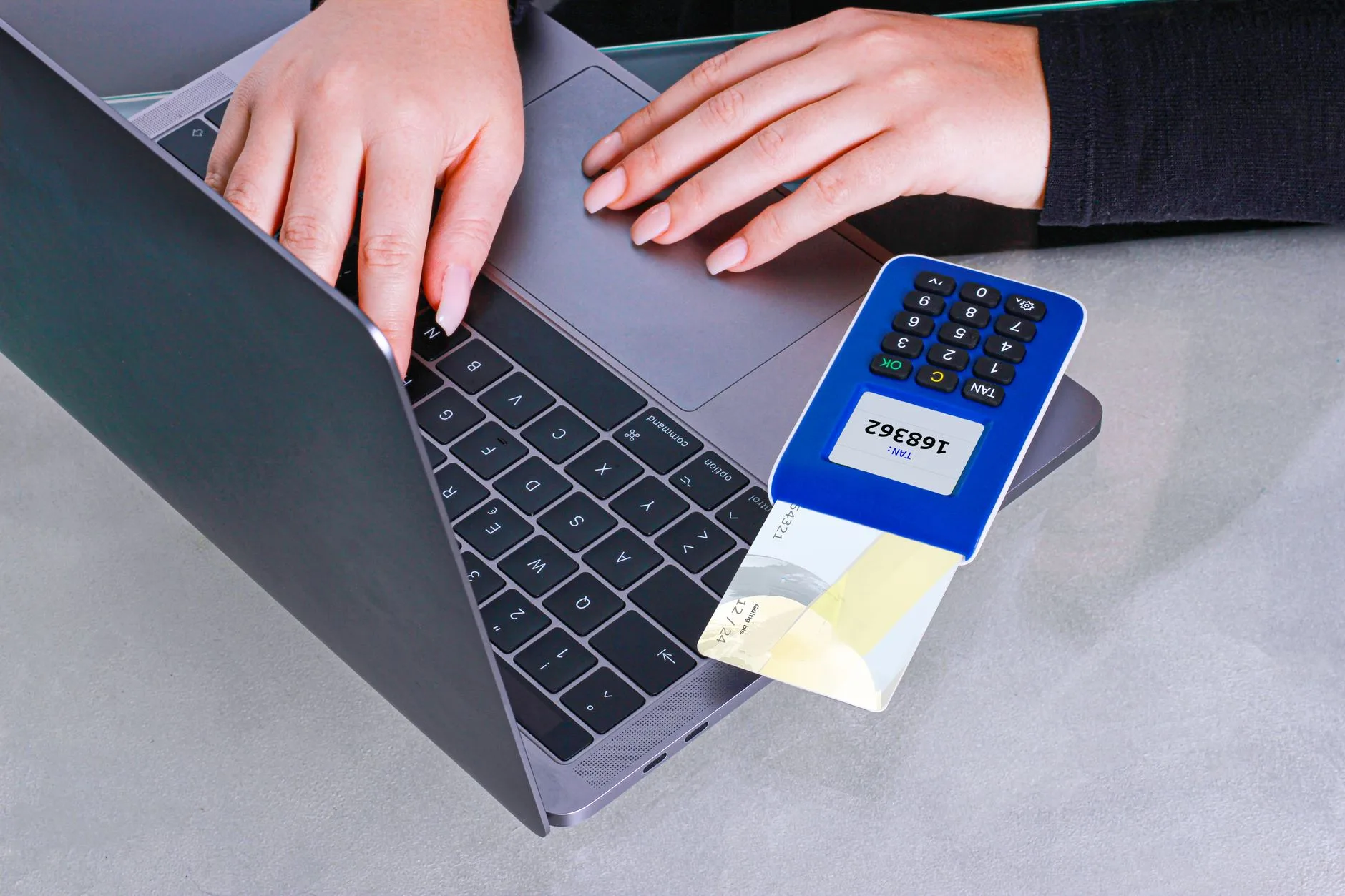
The world of online dating has long been plagued by the threat of catfishing and identity theft. A recent study revealed that Hinge Phone Verification Code is no longer a foolproof solution, as scammers have begun to mimic the verification process. But the problem extends far beyond the realm of dating apps. As our financial lives increasingly shift online, the risks of identity theft and cybercrime are escalating at an alarming rate. The average American’s financial data is now spread across a dizzying array of websites, apps, and services, making it a tantalizing target for hackers. How can we protect ourselves from the unseen consequences of a breach, and what role does online identity verification play in safeguarding our financial security? As we explore the risks and rewards of this increasingly complex landscape, it’s clear that the stakes are higher than ever. From the convenience of tap-to-pay credit cards to the allure of cryptocurrency, our desire for simplicity and ease-of-use often clashes with the need for robust security measures. In this article, we’ll delve into the double-edged sword of online identity verification, and explore the delicate balance between financial security and personal convenience.
The Unseen Consequences of a Breach
The Unseen Consequences of a Breach can be devastating, with victims often left to pick up the pieces long after the damage has been done. A single security breach can result in financial losses, damage to credit scores, and even mental health issues. In fact, a survey found that 71% of data breach victims experienced anxiety or depression as a result of the breach.
One of the most significant risks associated with a breach is identity theft. Thieves can use stolen personal data to open new credit accounts, make purchases, and even file taxes. For example, a breach at a major retailer could result in thousands of customers having their credit card information stolen, leaving them vulnerable to fraudulent charges.
- Using weak or easily guessable PINs: Using a weak or easily guessable PIN for online accounts, such as a birthdate or anniversary, can make it easy for hackers to gain access to sensitive information. A better approach is to use strong, unique passwords and enable two-factor authentication whenever possible.
- Sharing sensitive information via unsecured channels: Sharing sensitive information via unsecured channels, such as Telegram UK OTP Number, can put it at risk of being intercepted by hackers. A better approach is to use secure communication channels, such as encrypted messaging apps, to share sensitive information.
- Ignoring phishing scams: Ignoring phishing scams or failing to verify the authenticity of requests can put sensitive information at risk of being stolen. A better approach is to be cautious of requests that seem suspicious or too good to be true, and to verify the authenticity of requests before taking any action.
By taking steps to protect yourself from identity theft, you can mitigate the risks associated with a breach. This includes monitoring your credit report regularly, using strong passwords and two-factor authentication, and being cautious of phishing scams. By being proactive, you can reduce the chances of a breach and minimize the damage if one does occur.
Verifying Identity, Verifying Trust
Verifying Identity, Verifying Trust is a critical aspect of online financial transactions. When individuals or businesses engage in e-commerce, they often rely on third-party services to authenticate identities and verify information. For instance, some online dating platforms, such as Tinder Temporary Number verification, require users to input a verification code sent to their phone to ensure their account security.
| Verification Method | Time Required | Accuracy Rate |
|---|---|---|
| One-time Password (OTP) | 30 seconds to 1 minute | 99.9% |
| Knowledge-based Authentication | 1-3 minutes | 95.5% |
| Biometric Authentication | Immediate | 99.9% |
While identity verification is essential for preventing fraud and ensuring secure transactions, there is a common misconception that it slows down the process or is overly intrusive. However, with the advancement of technology, many verification methods are now quick and seamless, making it possible to balance security with convenience. In fact, some online payment platforms can verify identities in real-time, allowing users to complete transactions rapidly and efficiently.
The Double-Edged Sword of Convenience
The Double-Edged Sword of Convenience
Online identity verification has revolutionized the way we manage our finances, but it also raises concerns about data security. The convenience of swiping right on financial security is undeniable, but it’s essential to understand the risks involved. For instance, a single data breach can compromise sensitive information, leaving users vulnerable to identity theft and financial exploitation.
Answer: Implementing two-factor authentication and using reputable identity verification services can significantly reduce the risk of data breaches. It’s also crucial to regularly monitor your financial accounts and credit reports for any suspicious activity.
Moreover, the proliferation of online identity verification has led to the rise of ‘Tinder Virtual Number Verification’, a service that allows users to verify their phone numbers without revealing their true identities. While this may seem convenient, it raises concerns about the veracity of the information being shared online.
As consumers, we must be cautious of the fine line between convenience and security. By being aware of the risks involved and taking proactive measures to protect our data, we can enjoy the benefits of online identity verification while minimizing the risks.
Balancing Security and Simplicity
When it comes to balancing security and simplicity in online identity verification, users often find themselves caught in a dilemma. On one hand, they want to ensure their sensitive information is protected from potential threats, while on the other, they don’t want the process to become overly complicated. To this end, Swipe Right on Wealth: How users can boost their financial game by streamlining their verification processes. One way to do this is to consider third-party services that offer robust identity verification solutions while maintaining user convenience.
- Step 1: Choose a reputable third-party identity verification provider that aligns with your financial institution’s requirements.
- Step 2: Provide the necessary documents and information to initiate the verification process.
- Step 3: The provider will review and verify your identity, and you may be required to upload additional documents or complete a phone verification.
- Step 4: Once verified, you can link your account to the third-party service and use it for future transactions.
By following these steps, users can achieve a balance between security and simplicity in their online identity verification, making it easier to manage their finances and avoid potential risks associated with identity theft. It’s essential to note that while third-party services can streamline the verification process, users should still be cautious and only use reputable providers to avoid falling prey to potential scams or phishing attempts.
The Future of Financial Integrity: Where Tech Meets Security
Biometric scans and zero-knowledge cryptographic proofs are replacing the outdated password model, fundamentally altering how traditional banks and cryptocurrency exchanges verify account holders. Yet convenience often blinds retail investors to the privacy trade-off: storing biometric templates on centralized servers creates an irresistible target for cybercriminals. To keep your assets protected, treat your digital identity with the same discipline you apply to portfolio diversification. Always use dedicated, hardware-backed authentication keys for high-value brokerage accounts and perform a quarterly audit of all third-party apps connected to your primary financial profiles.
Securing your wealth demands an adaptive posture rather than static defenses. Just as modern agricultural technology leverages dynamic tracking systems like a Tarla Yönetimi için Hareketli Bir structure to preserve crop yields under changing conditions, personal finance management requires real-time identity monitoring. Ditch SMS-based two-factor authentication immediately—it leaves your accounts vulnerable to simple SIM-swapping scams. Switch instead to hardware tokens like YubiKeys or app-based authenticators to build an unbreachable wall around your financial future.
A Secure Swipe into the Digital Future
As the world continues to shift towards online transactions and identity verification, it’s clear that the age of convenience has both risks and rewards. By embracing technologies like Tinder Virtual Number Verification, we can create a more secure and trustworthy ecosystem. But what does this mean for our financial integrity? Ultimately, it boils down to striking a balance between accessibility and security.
The key takeaway is that identity verification is not a one-size-fits-all solution. It must be tailored to meet the unique needs of each individual and institution, taking into account the nuances of human behavior and the ever-evolving threats landscape. By acknowledging this complexity and working together, we can create a future where security and simplicity coexist.
As we move forward, the question remains: how will we ensure that our digital identities remain safe and secure? The stakes are high, but the rewards are worth it: a financial system that’s built on trust, transparency, and resilience. The future is uncertain, but one thing is clear: we must keep swiping right on innovation, and left on complacency.
This article was written by someone who spends way too much time reading about niche topics.
You may also find Telegram'da Kimlik Doğrulama: Güvenli ve Yönetimli helpful as it covers related aspects of this subject.
If you enjoyed this article, we recommend checking out Harnessing the Power of Solar Energy for further reading.
If you enjoyed this article, we recommend checking out 24-Hour Pharmacies in India: A Growing for further reading.