

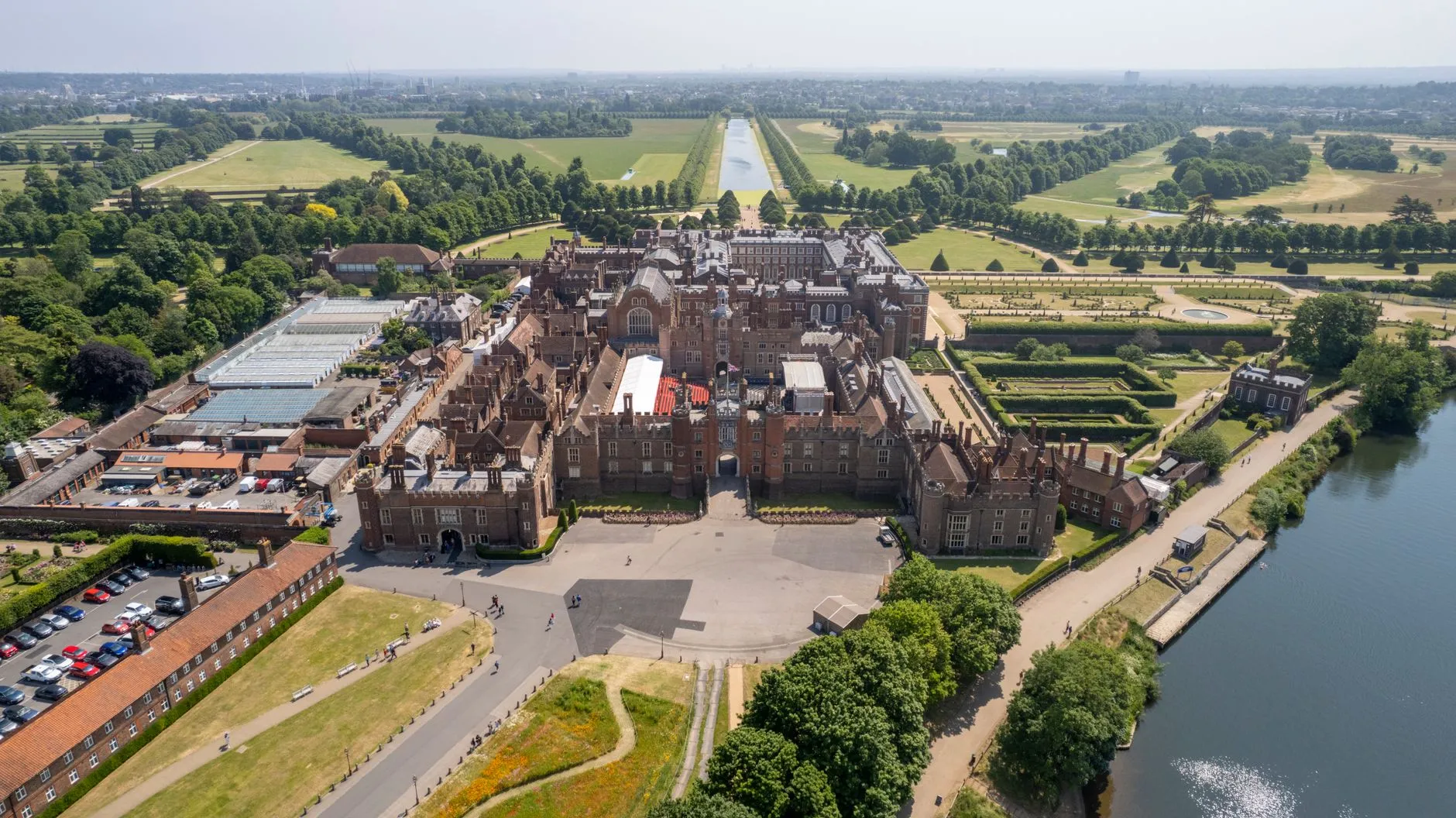
When the sun slips behind the Buckingham Palace gates, a quiet cadre of horticultural financiers begins its daily audit—checking soil health, budgeting for tulip bulbs, and ensuring that each rosebed returns a modest dividend. The British monarchy’s gardens are more than royal spectacle; they are living balance sheets where tradition meets modern money‑making. From the immaculate grounds of Windsor to the secretive hedgerows of Balmoral, every blossom is weighed against a ledger, and every event—tea parties, summer concerts, photo shoots—feeds a hidden revenue stream that helps fund the Crown’s upkeep.
Investors and personal‑finance enthusiasts alike can learn a thing or two from this centuries‑old playbook. The article will break down how the Green Ledger allocates funds, where planting profits sprout, and why the royal estates are pioneering sustainability without sacrificing fiscal prudence. Along the way, readers will find actionable tips—like treating a home garden as a micro‑portfolio, tracking seasonal ROI, and leveraging local market demand for home‑grown produce. For the latest headlines on this niche, check the latest news updates from UK today and keep an eye on UK royal family gardens news as the monarchy trims its fiscal hedges.
The Green Ledger: How Royal Estates Budget for Blooming Beauty
The Crown Estate’s annual accounts reveal that roughly £120 million is earmarked each fiscal year for the upkeep of royal grounds – a figure that splits into £70 million for routine horticultural care and £50 million for capital projects such as new glasshouses or historic tree preservation. By treating these streams separately, the monarchy can justify large‑scale restorations without draining the operational budget, ensuring that visitors continue to see immaculate lawns and historic borders while the estate remains fiscally sound.
For everyday readers, the lesson is simple: build a personal “green ledger.” List every gardening or home‑improvement expense, then allocate a fixed percentage of your discretionary income to it – just as the royal estates set aside a dedicated fund. Consider low‑risk green bonds or ESG‑focused index funds to grow that pot over time; the returns can later cover larger projects like installing solar‑powered irrigation. Beware of the temptation to overspend on trendy plants; without a clear cap, costs can balloon faster than a summer rose. Following the royal playbook not only keeps your garden thriving but also reinforces disciplined investing – a win‑win for both your bank balance and your backyard.
Planting Profits: The Hidden Revenue Streams from Gardens and Events
The British monarchy turns its famed gardens into a modest cash engine—ticketed tours, high‑end wedding venues, seasonal festivals, and branded merchandise all funnel money back into the Crown Estate. A single summer exhibition can attract thousands, each paying a premium for the historic backdrop; licensing the garden’s image for tea sets or greeting cards adds a quiet, recurring line. For the average investor, the lesson is clear: turning an asset with emotional or aesthetic value into multiple revenue streams can boost cash flow without sacrificing the core appeal.
- ☐ Review your hobby or side‑project for untapped monetisation opportunities
- ☐ Set tiered pricing for exclusive experiences (e.g., private tours)
- ☐ Register any brand‑related imagery for licensing revenue
- ☐ Allocate a portion of new income to tax‑efficient investments such as index funds
Risk‑averse readers often assume that heritage sites must stay strictly public‑access; the reality is a delicate balance between preservation and profit. By treating the garden like a small business—tracking expenses, negotiating vendor contracts, and reinvesting surplus—individuals can apply the same framework to rental properties, online courses, or even a backyard hobby farm. Recent UK royal family gardens news highlight how a single seasonal event can fund restoration projects for years to come, proving that strategic diversification works at any scale.
Thorny Trade-offs: Balancing Tradition with Modern Sustainability Practices
Maintaining centuries‑old gardens while cutting carbon footprints forces the Crown’s estates into a financial balancing act. Organic mulches replace cheap peat, solar panels hide behind historic conservatories, and water‑recycling systems demand upfront capital that the royal budget must justify against public scrutiny. The payoff? Lower long‑term maintenance bills and a greener brand that attracts heritage‑focused donors. For private investors, the lesson is simple: front‑load sustainable upgrades to shrink operating costs later.
- Assuming immediate savings: many green upgrades have delayed ROI; run a cash‑flow analysis first.
- Over‑concentrating in one ESG fund: limits diversification; spread across sectors.
- Ignoring tax credits on green bonds: you may miss valuable deductions; consult a tax adviser.
Modern stewards translate that principle into portfolio choices. ESG‑focused equity funds now outperform many conventional indexes, thanks to regulatory incentives and shifting consumer preferences—exactly the same dynamics that push the monarchy toward renewable energy. Savvy savers can allocate a slice of their 401(k) or ISA to green bonds, which often carry tax‑advantaged yields. Meanwhile, the royal family’s recent pivot to electric horticulture vehicles has sparked a niche market; tracking that trend can inform timing for a small position in clean‑tech ETFs. For a lighter read on How the Crown’s Summer Escapades, see the latest analysis.
One misconception is that heritage preservation always means higher expenses; in reality, efficiency gains can offset the initial outlay within a few years. Diversify across traditional green assets and, if risk tolerance permits, allocate a modest percentage—no more than five percent—to climate‑focused cryptocurrencies, which offer exposure without the heavy carbon stamp of older tokens. The key is to treat sustainability as a risk‑management tool, not a charitable add‑on.
From Royal Nurseries to Public Markets: The Economic Ripple of Garden Goods
The royal gardens act as a high‑profile incubator, producing thousands of premium plants that filter into regional nurseries, wholesalers, and eventually retail outlets. This supply chain ripple boosts local economies, creates skilled horticultural jobs, and keeps green‑innovation at the forefront of consumer demand. For investors, the trend signals a growing niche within sustainable agriculture: companies that grow, distribute, or sell premium plants now offer a new avenue for diversification. A targeted allocation to green‑focused ETFs or green bonds can capture this upside while aligning with broader ESG mandates.
- Step 1: Identify a reputable sustainable agriculture ETF that tracks companies involved in high‑quality plant production.
- Step 2: Allocate 5‑10% of your portfolio to that ETF, ensuring a balanced exposure.
- Step 3: Monitor royalty‑linked supply chains for emerging trends in plant varieties.
- Step 4: Rebalance quarterly, selling any positions that no longer align with green‑investment criteria.
While the allure of niche horticultural markets is clear, the volatility of small‑cap growers can outpace broader sector gains. A disciplined approach—anchored in ESG metrics and regular portfolio reviews—helps mitigate risk while capitalising on the royal‑nursery effect that fuels both heritage and profit.
Cultivating Wealth: Long-Term Investment Value of Iconic Landscapes
The gardens that line the Royal estates are more than ornamental; they represent a tangible slice of heritage real estate that has weathered centuries. In the UK, properties tied to national heritage often show resilience against market volatility, and their intrinsic value is bolstered by strict preservation mandates. For investors, the key is to view such assets as a long‑term hold, capitalising on the steady appreciation that comes from controlled development and the enduring public fascination with royal sites.
When evaluating a heritage garden as a portfolio addition, the first step is to assess the legal protections that restrict alterations. For example, the Royal Parks Act and local planning regulations lock the character of these spaces, limiting speculative redevelopment but ensuring a predictable, low‑risk environment. For investors, the first step is to consult recent analyses such as the Britanya Kraliyetinin Yeni Yılda Gözde to gauge public interest. Investors can also tap into the tax advantages of heritage property ownership, such as the reduced capital gains rate for listed buildings, to enhance after‑tax returns.
A practical approach for individuals is to use a diversified real‑estate investment trust (REIT) that holds a portfolio of heritage sites, including royal gardens. This strategy offers liquidity, professional management, and exposure to the steady income streams generated by events and tourism. For the latest market insights, readers can follow the UK royal family gardens news to stay updated on new conservation projects and potential investment opportunities.
Final Thoughts
When the Crown’s green spaces unfold, they do more than showcase horticultural mastery; they quietly weave financial threads into the fabric of the nation. Budget lines in the Green Ledger reveal that careful allocation of public funds can produce both aesthetic splendor and measurable returns—through ticket sales, garden tours, and the sale of produce from the royal nurseries. The revenue streams highlighted in “Planting Profits” illustrate how the monarchy turns leisure into liquidity, turning seasonal events into a reliable source of income that feeds back into upkeep and conservation. Yet, the balancing act detailed in “Thorny Trade‑offs” shows that preserving centuries‑old traditions can coexist with cutting‑edge sustainability, a partnership that protects the estate’s long‑term value while aligning with public expectations of environmental stewardship. The ripple effect described in “From Royal Nurseries to Public Markets” confirms that the reach of royal horticulture extends beyond palace walls, seeding local economies and inspiring private growers. Ultimately, the enduring worth of these iconic grounds depends on the same principles that govern any solid investment: prudent management, adaptability, and a clear vision of future value. For the latest updates, visit UK royal family gardens news. If the Crown’s gardens are a living portfolio, what will your next harvest look like?
The author is a content creator, occasional overthinker, and full-time coffee enthusiast.
For a deeper understanding of this topic, Inversión verde en el Reino Unido: offers valuable insights worth exploring.
For a deeper understanding of this topic, Şehrinizdeki Haftasonu: 7 Farklı Aktiviteyle Şehrin offers valuable insights worth exploring.
For more insights on this topic, you might find Top 10 Popüler Konular: 2024'de Sizi particularly informative.