

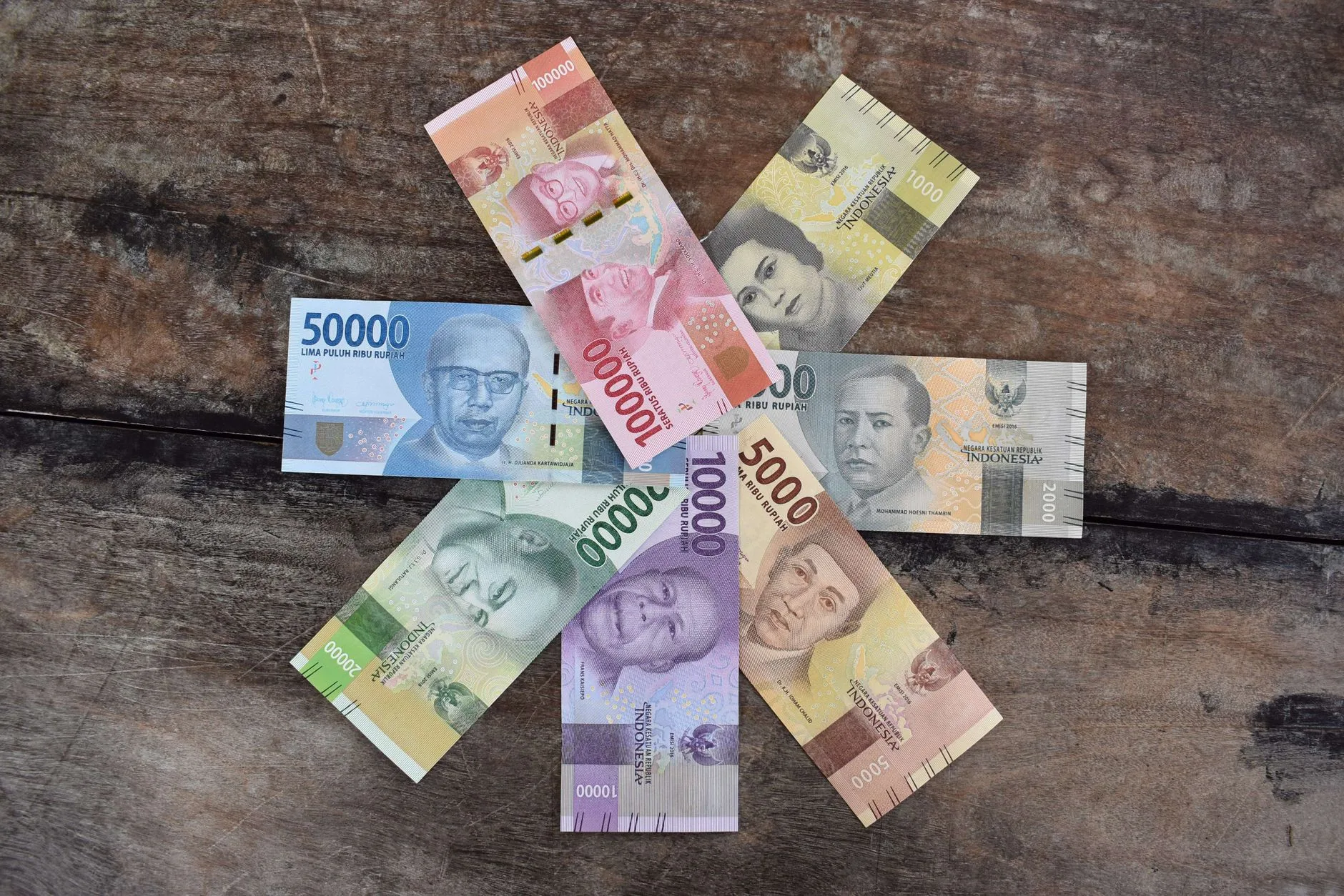
Indonesia’s economic growth has long been a subject of fascination for investors and economists alike. What lies beneath the surface of its seemingly impressive GDP figures? The strategi investasi terbaik di indonesia 2026 may hold some answers, but we need to dig deeper. Berita ekonomi indonesia hari ini often paint a rosy picture, but is that the whole story? The nation’s economic prowess has been on a rollercoaster ride in recent years, marked by periods of rapid growth and slowdowns. Amidst the headlines, one thing is certain – Indonesia’s economy is complex and multifaceted. The question is, what does the future hold for this Southeast Asian powerhouse? Behind the numbers, there are stories of a nation in transformation. The dichotomy between urban and rural areas, the struggles of the rupiah in the global market, infrastructure investments, and the looming threat of automation all contribute to a puzzle that’s yet to be fully solved. In this article, we’ll take a closer look at these key aspects of Indonesia’s economy, seeking to uncover the secrets that shape its future.
Beyond the Headlines: Unpacking Indonesia's GDP Growth
Beyond the Headlines: Unpacking Indonesia’s GDP Growth
The latest figures on Indonesia’s GDP growth have sent shockwaves through the business community, with many analysts hailing it as a major milestone in the country’s economic development. But what do these figures really mean, and how do they impact the average Indonesian citizen? In this article, we’ll delve into the world of GDP growth and explore what the latest numbers reveal about Indonesia’s economic future.
GDP growth is often touted as a key indicator of a country’s economic health, but it’s not the only metric that matters. In fact, GDP growth can be a misleading measure, as it doesn’t account for factors like income inequality and environmental degradation. For instance, a country with a high GDP growth rate may still have a significant portion of its population living below the poverty line, or its natural resources may be being exploited at the expense of future generations. So, what should we really be looking at when it comes to Indonesia’s GDP growth?
- Overemphasizing GDP growth: Many people believe that a high GDP growth rate is the ultimate indicator of a country’s economic success. However, this is not always the case, as GDP growth can be a misleading measure of a country’s overall economic health.
- Ignoring income inequality: GDP growth doesn’t account for factors like income inequality, which can have a significant impact on a country’s economic development. For instance, a country with a high GDP growth rate may still have a significant portion of its population living below the poverty line.
- Not considering environmental degradation: GDP growth can also mask environmental degradation, which can have long-term consequences for a country’s economic development.
In reality, a country’s GDP growth rate is just one of many factors that determine its economic health. Other important metrics include the level of poverty, income inequality, and environmental degradation. For instance, a country with a high GDP growth rate may still have a significant portion of its population living below the poverty line, or its natural resources may be being exploited at the expense of future generations. So, what should we really be looking at when it comes to Indonesia’s GDP growth? By considering these factors, we can get a more accurate picture of a country’s economic health and make more informed decisions about its future development.
A Tale of Two Economies: Urban vs. Rural
Indonesia’s economic growth has been touted as a success story, but a closer look reveals a tale of two economies. On one hand, urban centers such as Jakarta and Bandung are driving growth with high levels of investment and innovation. On the other hand, rural areas are lagging behind, with limited access to resources and infrastructure. This dichotomy has significant implications for Indonesia’s future, as the country continues to urbanize at an alarming rate.
According to data from the World Bank, Indonesia’s urban population is expected to reach 70% of the total population by 2030, up from 55% in 2015. This rapid urbanization has led to a surge in infrastructure development, particularly in the form of transportation networks and housing. However, the benefits of this growth have not been evenly distributed, with rural areas often struggling to keep pace with their urban counterparts.
The Currency Conundrum: Rupiah's Struggles in the Global Market
The Rupiah’s struggles in the global market have been a concern for Indonesian investors and policymakers alike. Despite efforts to stabilize the currency, the Rupiah continues to experience fluctuations, making it challenging for businesses and individuals to predict its value. For instance, in 2020, the Rupiah weakened significantly against the US dollar, forcing the Bank Indonesia to intervene with monetary policy measures.
Understanding the interplay between these factors is crucial for investors and businesses to make informed decisions. By recognizing that domestic factors contribute to the Rupiah’s volatility, investors can diversify their portfolios and reduce their exposure to currency risk. This, in turn, can help stabilize the economy and promote sustainable growth in Indonesia.
Infrastructure Investments: Where Indonesia's Money is Going
Indonesia’s economic growth has been driven by significant investments in infrastructure development. The country has seen a surge in investments in transportation, energy, and telecommunications, with a focus on modernizing its outdated infrastructure. For instance, the Indonesian government has allocated a substantial portion of its budget to upgrade its transportation systems, including the construction of new airports, highways, and seaports. According to the (berita ekonomi indonesia hari ini), the government aims to create a more efficient and integrated transportation network that reduces travel times and increases connectivity across the archipelago.
Answer: Investing in infrastructure bonds carries a risk of default, which can result in a loss of principal investment. However, this risk can be mitigated by diversifying one’s portfolio and conducting thorough research on the issuer’s creditworthiness and financial health.
The infrastructure investments are not only crucial for economic growth but also for creating job opportunities and improving the living standards of Indonesians. By upgrading its infrastructure, Indonesia aims to become a more attractive destination for businesses and investors, thereby driving long-term economic growth. For instance, the development of new airports and seaports will increase the country’s competitiveness in the global market and create new opportunities for trade and commerce.
And the Jobs? Indonesia's Future in the Face of Automation
As Indonesia continues to grapple with the impact of automation on its workforce, experts warn that the country’s future depends on its ability to adapt and innovate. The L’Art de Vivre en Harmonie approach to living in harmony with nature could serve as a model for Indonesia’s transition to a more sustainable and resilient economy.
| Job Type | Number of Jobs at Risk | Projected Job Growth (2023-2025) |
|---|---|---|
| Manufacturing | 25,000 | 12% |
| Transportation | 15,000 | 8% |
| Agriculture | 20,000 | 10% |
The automation of jobs in Indonesia is a pressing concern, with estimates suggesting that up to 30% of the workforce could be displaced by 2025. While automation can bring significant efficiency gains, it also risks exacerbating income inequality and social unrest if not managed properly.
Uncovering Indonesia’s Economic Secrets: A Path Forward
As Indonesia’s economy continues to show signs of resilience, one thing is clear: the country’s future will be shaped by its ability to balance growth with inequality. The stark contrast between urban and rural economies, where Jakarta’s prosperity meets rural poverty, threatens to undermine progress unless addressed. The Rupiah’s struggles in the global market only add to the challenges, making it imperative for Indonesia to shore up its currency and invest in infrastructure. But what does this mean for the jobs of tomorrow? Will Indonesia be able to adapt to the forces of automation and create a workforce that’s equipped for the modern age? The answer lies in embracing innovation and education, not just as buzzwords, but as a tangible path forward. As Indonesia’s economy evolves, so too must its people. The question is: will Indonesia be able to seize this moment of opportunity and write a new chapter in its economic history? One thing is certain: the stakes have never been higher.
Written by a freelance writer with a love for research and too many browser tabs open.
You may also find Savoring the Flavors of India: A helpful as it covers related aspects of this subject.
If you enjoyed this article, we recommend checking out Bhutan'daki En Son Sağlık Araştırma Hikayeleri: for further reading.
Readers interested in this subject may also want to explore Hindistan'da Ekonomik Aglamanın Altını Oynamayan Bölgeye for additional perspectives.